If your Danville home feels bigger than your lifestyle now, you are not alone. Many longtime owners reach a point where extra bedrooms, yard work, and ongoing upkeep no longer feel worth the time, cost, or effort. The good news is that downsizing does not have to mean giving something up. It can mean simplifying, protecting your equity, and moving into a home that fits the way you want to live now. Let’s dive in.
Why downsizing makes sense in Danville
Danville remains a high-value market, which gives many owners a strong starting point for a move. Redfin’s March 2026 snapshot shows a median sale price of $1.892 million, with homes receiving about two offers on average and a median of 14 days on market.
That matters if you are thinking about selling a long-time family home and buying something easier to manage. In a market like this, a well-planned transition can help you unlock equity while moving into a lower-maintenance property that better matches your current needs.
For many homeowners, lock-and-leave living means a condo, townhouse, or planned development home in a common interest development, often called a CID. In California, HOA membership is automatic when you buy a home in a CID, so it is important to understand how that ownership structure works before you make a move.
What lock-and-leave living means
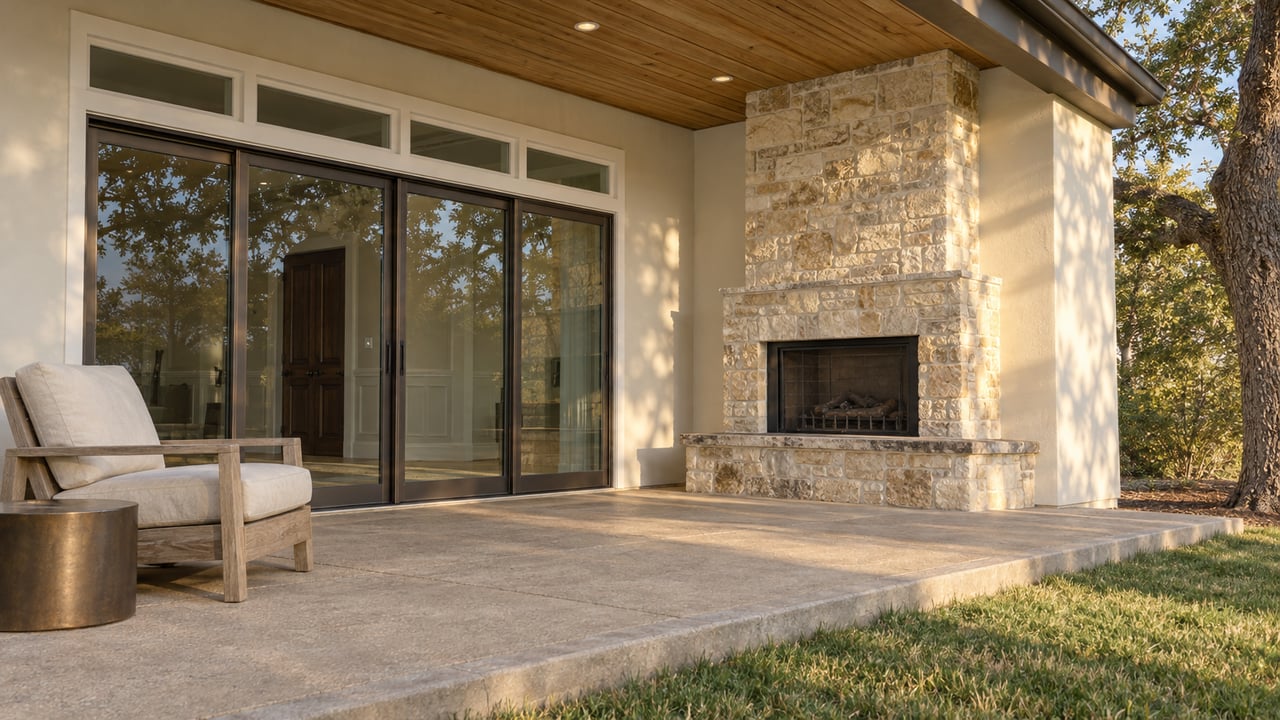
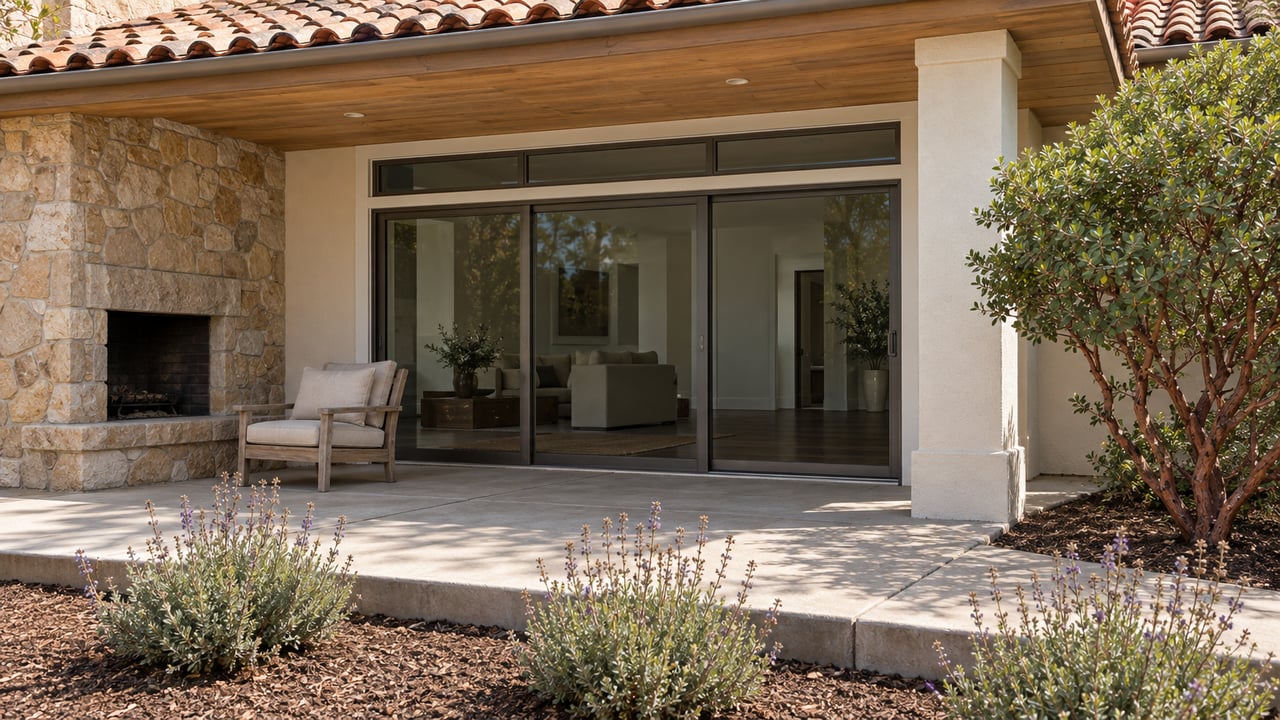
Lock-and-leave living usually appeals to buyers who want less day-to-day maintenance and more flexibility. You may want fewer exterior chores, less square footage to maintain, or a setup that makes travel easier.
That does not mean every property will work the same way. A condo, townhouse, or planned development can come with shared amenities, monthly dues, and rules that affect how you use the property, so the details matter.
Common benefits of downsizing
Some of the biggest reasons Danville homeowners downsize include:
- Less maintenance inside and outside the home
- Easier travel without worrying as much about upkeep
- A simpler floor plan for daily living
- The chance to reduce unused space
- An opportunity to turn home equity into future flexibility
Common tradeoffs to consider
Downsizing can also come with adjustments. Before you move, think through:
- Whether you are comfortable with HOA dues
- How much storage you really need
- Whether guest space still matters to you
- If parking, stairs, or layout could affect long-term comfort
- What rules may apply to pets, rentals, or exterior changes
Sell first or buy first?
This is one of the biggest decisions in any downsizing plan. In most cases, your options come down to three paths: sell first, buy first, or use a bridge strategy such as a seller rent-back.
California Department of Real Estate guidance supports all three structures in practice through contingencies, escrow timing, and rent-back arrangements. The right choice depends on your finances, your comfort with timing, and how much flexibility you want during the move.
Option 1: Sell first
Selling first gives you the clearest picture of your proceeds before you buy. That can make budgeting easier and reduce the risk of carrying two homes at once.
The tradeoff is timing. If your current home sells quickly, you may need temporary housing or a negotiated occupancy period while you secure your next home.
Option 2: Buy first
Buying first can reduce the pressure of finding a replacement home on a short timeline. This path can be appealing if you want more time to sort, donate, or move in stages.
The challenge is financial exposure. You may need to qualify while still owning your current home, and if you are using Prop 19, the Board of Equalization says a replacement home can be purchased before the original home is sold, but the original must be sold within two years and the replacement property will be taxed at full fair market value until that sale happens.
Option 3: Use a rent-back or occupancy bridge
A rent-back can create breathing room between your sale and your move. In this setup, you sell your current home and remain in it temporarily after closing under agreed terms.
This can be helpful in a fast-moving market like Danville. It gives you more time to close on your replacement home without rushing the move-out process.
How to prepare your current home for sale
Before you list, treat the move like a project with clear steps and deadlines. California DRE consumer guidance points to a practical workflow: inspect the property, identify repairs that matter, gather disclosures, and review documents carefully.
That structure is especially useful when you are also planning your next purchase. A calm, organized listing process makes the rest of the transition easier.
A smart pre-listing checklist
Start with these basics:
- Schedule inspections or pre-sale evaluations as needed
- Decide which repairs or updates are worth doing
- Begin gathering required disclosures and property records
- Sort possessions into keep, donate, gift, digitize, and discard
- Review any offer paperwork carefully and avoid blank spaces
- Build a realistic timeline for escrow and your move
If you have lived in your home for many years, this process often feels emotional as much as logistical. Breaking it into stages can help you make decisions with less stress and more confidence.
How Prop 19 may help you downsize
For many California homeowners, Prop 19 is one of the most important tax tools to understand before a move. According to the California Board of Equalization, eligible homeowners age 55 or older, severely disabled homeowners, and certain disaster victims may transfer their base-year value to a replacement primary residence.
The BOE also says eligible owners in the age 55 or disabled category can use this benefit up to three times. That can make downsizing more practical if property taxes are one of your biggest concerns.
Key Prop 19 points to know
Here are a few of the most relevant rules from the BOE:
- The replacement property must be your primary residence
- You can buy the replacement home before selling the original, as long as the original sells within two years
- If you buy first, the replacement home is taxed at full fair market value until the original sale is complete
- The claim is filed with the county assessor after both transactions are complete and you are living in the replacement home
Because timing matters, it helps to plan the sale and purchase together rather than treating them as separate events.
What to know about taxes and sale proceeds
Many sellers want to know how much of their gain will actually be taxable. IRS Publication 523 says many homeowners can exclude up to $250,000 of gain, or up to $500,000 for married couples filing jointly, if they meet the ownership and use tests.
California generally conforms to the federal home-sale exclusion rules. The Franchise Tax Board says that if any gain remains taxable, California taxes capital gains as ordinary income.
If part of your home has been used for rental or business purposes, the tax picture can become more complicated. The IRS notes that special allocation and depreciation rules may limit the exclusion in those cases.
Closing costs and post-closing bills to expect
When you build your downsizing budget, do not stop at sale price and mortgage numbers. Contra Costa County notes that supplemental property tax bills may follow a purchase or inherited property transfer because assessed values can change.
The county also notes that property taxes are tied to the January 1 lien date rather than private prorations between buyer and seller. That means your closing statement and your later tax bills do not always line up the way people expect.
Another item to account for is documentary transfer tax. Contra Costa County publishes a rate of $0.55 per $500, and county materials note that some cities may add a city transfer tax, so title or escrow should verify the exact amount for the property involved.
How to review HOA documents carefully
If your next home is a condo, townhouse, or other CID property, document review is a major part of your due diligence. Monthly dues are only one piece of the picture.
California law requires associations to provide key financial disclosures, including an annual budget report, a reserve summary, and an assessment and reserve funding disclosure summary. Reserve studies also require a visual inspection at least once every three years, and boards may adjust regular or special assessments to fund reserves.
HOA questions to ask before you write an offer
Use this checklist to stay focused:
- What do the monthly dues cover?
- How strong are the HOA reserves?
- Are there any planned or possible special assessments?
- Are there limits on rentals?
- Are pets restricted?
- Are there rules on exterior changes or improvements?
- What do the bylaws and CC&Rs require of owners?
DRE guidance also notes that buyers should review governing documents such as the articles, bylaws, and CC&Rs and watch for dues, use restrictions, taxes, and assessments. In a lock-and-leave purchase, these details can affect both your budget and your day-to-day lifestyle.
The emotional side of leaving a family home
Even when downsizing is the right move, it can still feel hard. A home often holds years of routines, milestones, and memories, and that makes decisions about furniture, keepsakes, and timing more personal than people expect.
A step-by-step plan can make the process feel lighter. Decide what stays with you now, what can be donated or gifted, what should be photographed or digitized, and what can wait until after your next home is secured.
This is also where a consultative approach matters. When your sale, purchase, escrow timing, and move logistics are all connected, steady communication and local planning can take a lot of pressure off your shoulders.
Why local strategy matters in Danville
Downsizing is never just about square footage. It is about timing your sale in a strong Danville market, understanding how replacement options compare, reviewing HOA documents carefully, and planning for taxes and closing costs with clear eyes.
That is why many homeowners benefit from having a local guide who can help connect all the moving parts. In a transition like this, you want a plan that protects your options and keeps the process manageable from first conversation to final move.
If you are thinking about downsizing in Danville, a thoughtful strategy can help you move with less stress and more clarity. When you are ready to talk through timing, pricing, and what lock-and-leave living could look like for you, connect with Conor Dunn.
FAQs
Should I sell my Danville home before buying a smaller home?
- It depends on your finances and timing goals. Common paths include selling first, buying first, or using a rent-back arrangement to create a smoother transition.
How does Prop 19 work when downsizing in California?
- The California Board of Equalization says eligible homeowners may transfer their base-year value to a replacement primary residence, and in some cases the replacement can be purchased before the original home is sold if the original sale happens within two years.
What HOA documents should I review before buying a lock-and-leave home in Danville?
- Review the annual budget report, reserve summary, assessment and reserve funding disclosure summary, plus the governing documents such as the articles, bylaws, and CC&Rs.
How much home-sale gain may be taxable after I sell my Danville property?
- Many homeowners may exclude up to $250,000 of gain, or up to $500,000 for married couples filing jointly, if they meet the ownership and use tests. If gain remains taxable, California generally taxes it as ordinary income.
What extra closing costs or tax bills should I expect in Contra Costa County?
- You may see documentary transfer tax at closing, and after purchase you may receive supplemental property tax bills if the assessed value changes.
What does lock-and-leave living usually mean in California?
- It often means owning a condo, townhouse, or planned development home in a common interest development where HOA membership is automatic and shared rules, dues, and disclosures apply.