If you are looking for more room to spread out without giving up everyday convenience, Alamo tends to get your attention fast. This Contra Costa community offers a lower-density setting, scenic outdoor access, and a daily rhythm that feels more relaxed than many nearby areas. If you want to understand what living here really feels like, this guide will walk you through Alamo’s space, scenery, and community connections. Let’s dive in.
Why Alamo feels different
Alamo is an unincorporated community in Contra Costa County, located between Walnut Creek and Danville. That means local services are handled through county government and county service areas rather than a traditional city hall. In practice, that gives Alamo a community feel that is shaped by local parks, county planning, and resident involvement.
County planning guidance describes Alamo as a place where residents value their existing lifestyle, undeveloped surroundings, and quiet small-town feel. That character has deep roots. Alamo began as an area of ranches and orchards and remained rural until after World War II.
The numbers help explain that atmosphere. The 2020 census counted 15,314 residents, and recent Census estimates show about 5,070 households across 9.82 square miles. With a population density of 1,560.1 people per square mile and an owner-occupied housing rate of 91.8 percent, Alamo stands out as a low-density, primarily owner-occupied community.
Space is a big part of Alamo living
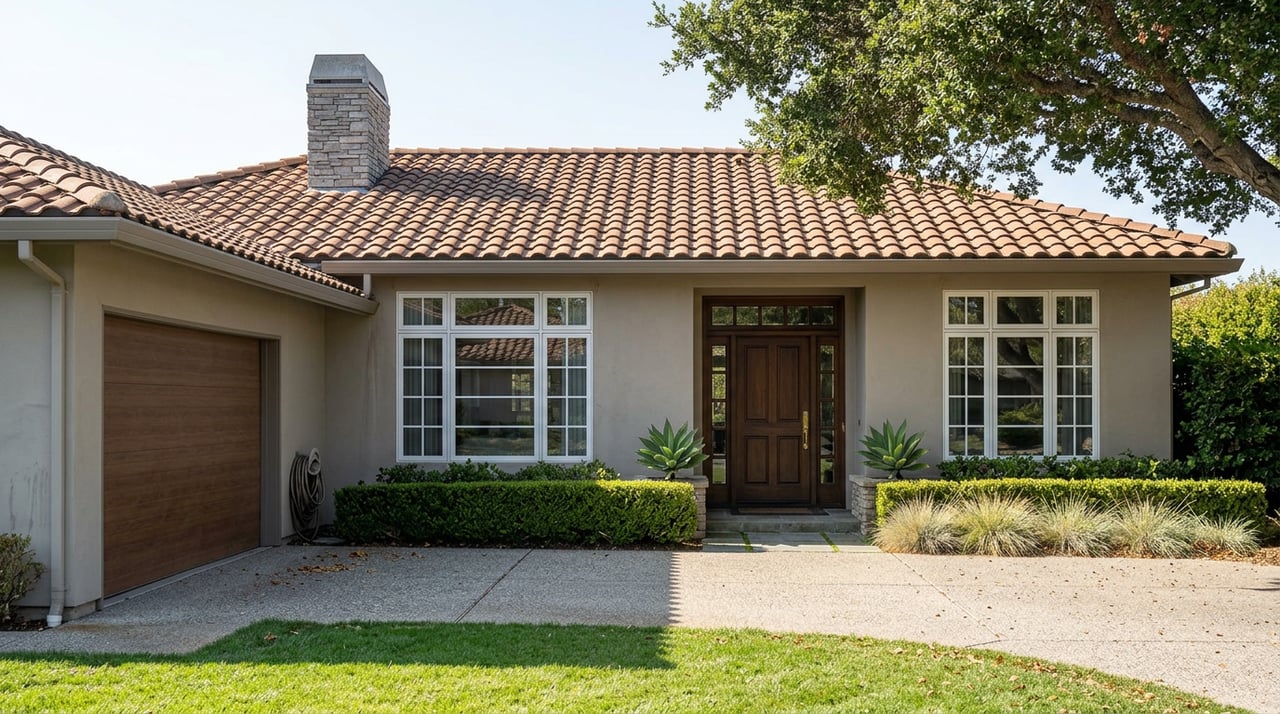
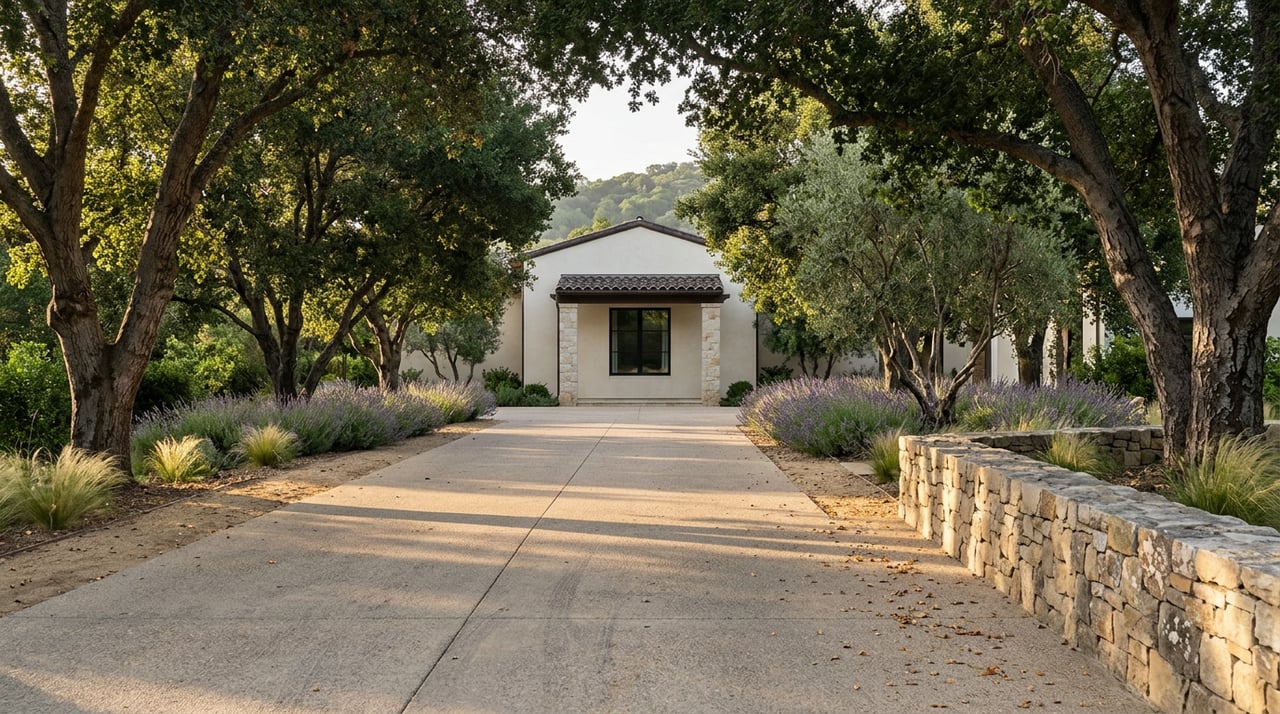
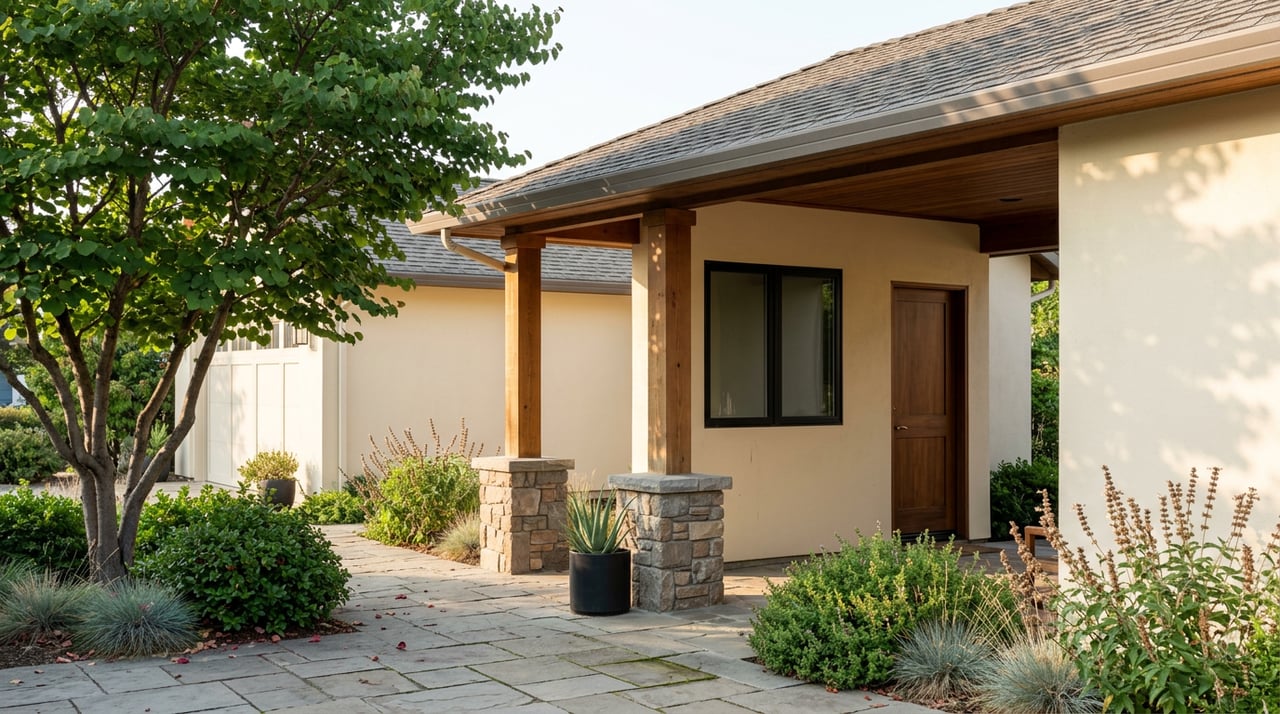
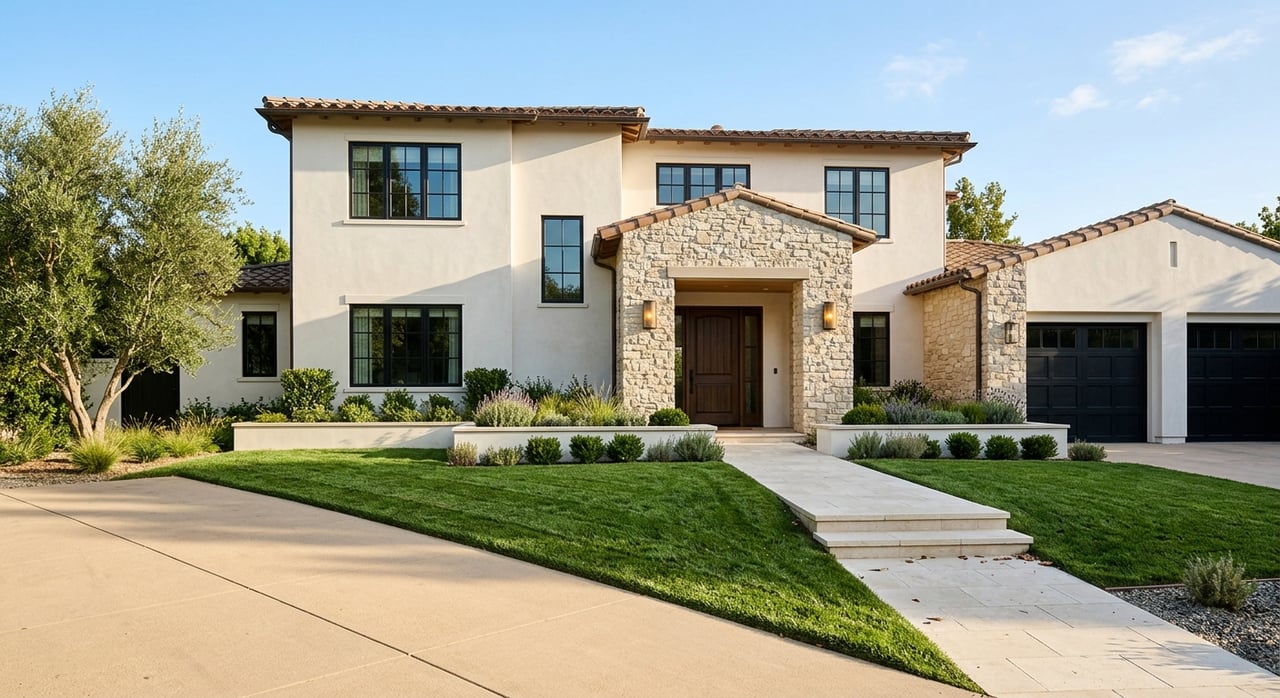
One of the clearest draws in Alamo is space. County planning documents consistently describe the area as being made up mostly of single-family ranch-style homes on relatively large lots. You will also find estates on large rural tracts, along with some multifamily housing near Danville Boulevard south of Stone Valley Road.
That larger-lot pattern is not just anecdotal. County zoning language for Alamo references expectations around 20,000-square-foot minimum lots in key areas, which supports the spacious feel many buyers are looking for. If you want a detached home, more breathing room, and a property that connects with the outdoors, Alamo lines up well with those priorities.
Housing values and ownership costs also reflect the market here. Census data places the median value of owner-occupied homes at $2,000,000+ and median monthly owner costs at $4,000+ with a mortgage. For buyers and sellers alike, that means understanding the nuances of lot size, setting, and property condition is especially important in this market.
Scenery is built into daily life
Alamo’s setting is one of its biggest lifestyle advantages. Even within the community, you are never far from parks, open skies, and a more residential pace. The result is a place where outdoor access feels like part of normal life rather than a weekend-only feature.
Contra Costa County maintains an active local park network through the Alamo Parks and Recreation service area. Local facilities include Andrew H. Young Park, Livorna Park, Hemme Station Park, Hap Magee Ranch Park, Alamo Elementary School Field, and Rancho Romero School Field. These spaces support everyday recreation, community events, and casual time outside close to home.
Livorna Park is a good example of how Alamo blends simple amenities with community use. The 4.4-acre park includes a gazebo, bocce courts, a playground, a multi-use court, picnic and barbecue areas, plus summer concerts and movie nights. It is the kind of local place that can turn an ordinary evening into an easy neighborhood outing.
Hap Magee Ranch Park adds another layer to Alamo’s outdoor appeal. This 17-acre historic ranch site includes rental buildings, a dog park, and trail connections. It offers a mix of open space, local history, and practical recreation that many buyers appreciate when comparing lifestyle options.
Trails and open space nearby
If you want more than neighborhood parks, Alamo also offers strong regional access. The Iron Horse Regional Trail passes through a rural and residential section of the community, connecting downtown Alamo and the Alamo Square shopping area before continuing south toward Danville and San Ramon. That gives residents a useful option for walking, biking, and enjoying the scenery without needing to drive to a trailhead first.
For a bigger open-space experience, Las Trampas Wilderness Regional Preserve is nearby. The preserve spans 6,050 acres and offers rugged terrain for hiking and horseback riding, with a summit area reaching 2,024 feet. For people who value hills, views, and quick outdoor access, that nearby setting is a meaningful part of Alamo’s appeal.
Community connections happen in local ways
Because Alamo is unincorporated, community life works a little differently here. Instead of being centered around a city government, many local decisions and improvements flow through county-based structures. The Alamo Municipal Advisory Council advises the Board of Supervisors on issues like parks, public health, safety, land use, transportation, and infrastructure.
That setup helps explain why Alamo often feels community-led. Parks, neighborhood improvements, and local events are shaped through service areas and advisory structures that reflect local priorities. For residents, that can create a strong sense of connection without the pace or formality of a larger city environment.
One of the most visible weekly routines is the year-round Sunday farmers market at 3157 Danville Boulevard, held from 9 a.m. to 1 p.m. It gives the community a regular gathering point and adds to the everyday convenience of living nearby. For many buyers, that kind of reliable weekly rhythm says as much about a place as any market statistic.
County public works has also invested in the Danville Boulevard and Orchard Court corridor with sidewalks, bike facilities, pedestrian refuge areas, landscaping, and a roundabout. Those improvements support safer access and easier movement through a key part of the community. In a place like Alamo, even small infrastructure upgrades can have a big impact on daily routine.
Dining and errands stay close to home
Alamo is not trying to be a dense restaurant district or nightlife destination. Instead, its commercial areas support a convenient, local lifestyle. That tends to appeal to people who want everyday essentials and familiar gathering spots nearby.
A major hub is Alamo Plaza at Danville Boulevard and Stone Valley Road. The current tenant mix includes Xenia Bistro, Hala Sushi, E.J. Phair Brewing Co., Peet’s Coffee, High Tech Burrito, Brass Bear Deli, Round Table Pizza, and Great Donuts, along with other service-oriented businesses. That lineup points to a practical and neighborhood-focused food scene rather than a high-volume urban core.
For many residents, that balance is part of the draw. You can enjoy local dining and run errands without giving up the quieter residential setting that defines Alamo. It is convenience with a smaller-scale feel.
Lifestyle anchors shape the area
Round Hill Country Club has long been one of the community’s major lifestyle anchors. Founded in 1959 as a golf course and luxury housing community, it helped shape Alamo’s image over time. The course opened in 1960, followed by the clubhouse, tennis facility, and pool in 1961.
Today, the club includes an 18-hole golf course, tennis and pickleball courts, a pool complex, bocce courts, clubhouse dining, and fitness facilities. Even if club living is not part of your plan, it remains an important piece of Alamo’s broader identity. It reflects the area’s long-standing connection to space, recreation, and residential appeal.
Who Alamo may fit best
Alamo is often a strong match if you are looking for a detached home, larger lot, and a lower-density setting with outdoor access. It may also appeal if you want to stay close to established East Bay communities while enjoying a quieter pace at home. Buyers who value scenery, room to spread out, and a mostly residential atmosphere often find that Alamo checks several boxes at once.
For sellers, Alamo’s appeal is closely tied to how a home lives both inside and outside. Lot size, privacy, open space, and access to parks or trails can play a meaningful role in how buyers perceive value. In a market where property character matters, thoughtful positioning and local context are essential.
If you are considering a move in or out of Alamo, it helps to work with someone who understands how buyers compare this community with nearby options in Danville, Walnut Creek, and the broader Tri-Valley. That kind of neighborhood-level perspective can make a real difference when you are pricing, searching, or timing a move.
Whether you are buying your first East Bay home, moving up for more space, or preparing to sell a high-value property, local insight matters. If you want guidance tailored to Alamo and the surrounding Tri-Valley market, connect with Conor Dunn for a clear, consultative approach.
FAQs
What is Alamo, CA known for as a place to live?
- Alamo is known for its low-density residential setting, larger-lot homes, quiet small-town feel, and access to parks, trails, and open space in Contra Costa County.
What types of homes are common in Alamo, CA?
- County planning documents describe Alamo as being made up mostly of single-family ranch-style homes on relatively large lots, along with some estates on larger rural tracts and limited multifamily housing near Danville Boulevard.
What outdoor amenities are available in Alamo, CA?
- Alamo has local parks such as Livorna Park and Hap Magee Ranch Park, plus access to the Iron Horse Regional Trail and nearby Las Trampas Wilderness Regional Preserve.
How does local government work in Alamo, CA?
- Alamo is unincorporated, so county government and county service areas handle local services, while the Alamo Municipal Advisory Council advises on community issues like parks, safety, transportation, and land use.
Where do people shop and dine in Alamo, CA?
- Neighborhood retail clusters, especially Alamo Plaza along Danville Boulevard and Stone Valley Road, provide convenient dining and everyday services in a local, community-oriented setting.