If you want a neighborhood where you can grab coffee, stroll to dinner, browse local shops, and still feel connected to Pleasanton’s history, downtown deserves a close look. For many buyers, it offers a different experience than newer parts of the city, with more character, a more walkable layout, and a mix of housing types near the core. In this guide, you’ll get a practical look at what downtown Pleasanton living is really like, from its historic appeal to housing options and daily convenience. Let’s dive in.
Why downtown Pleasanton stands out
Downtown Pleasanton has a distinct identity within the city. It is a compact historic district in the southeast corner of Pleasanton and is recognized as a certified California Main Street community, which helps explain the preserved feel and active street life you notice right away.
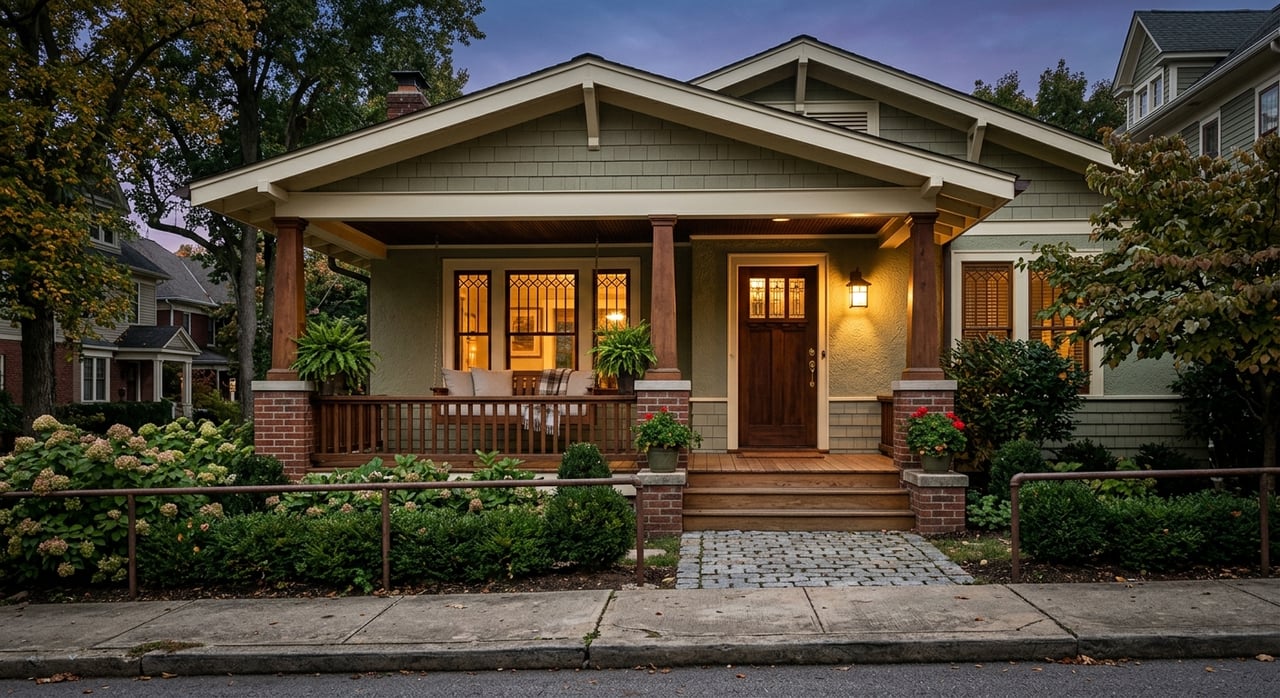
According to the Pleasanton Downtown Association’s history and culture overview, the area features preserved older buildings and a wide range of architectural styles, including Victorian, Italianate, Mission Revival, Craftsman, Art Deco, and Moderne. That variety gives downtown a layered look that feels different from more uniform, newer neighborhoods.
The arts scene adds to that character. The Firehouse Arts Center, originally built in 1929 and renovated from the old firehouse one block off Main Street, is one of the area’s anchors and a strong example of how downtown blends history with present-day use.
Walkability and everyday convenience
One of downtown Pleasanton’s biggest draws is how easy it is to get around on foot. The City of Pleasanton describes historic downtown as a charming, walkable district with independent boutiques, specialty shops, gift stores, restaurants, and outdoor dining.
That convenience matters in daily life. Instead of driving for every small errand or outing, you may be able to combine meals, shopping, and community events into one trip, especially if you live close to Main Street and the surrounding blocks.
Downtown is also a real business hub, not just a small retail strip. The city says the area is home to more than 550 diverse businesses, giving it a broader destination feel while still serving nearby residents.
Dining and local shopping
If dining variety matters to you, downtown Pleasanton has a lot going for it. The city reports more than 240 dining establishments across Pleasanton, with many downtown restaurants concentrated along Main Street and nearby blocks, making it easy to explore different options without going far.
Shopping follows that same pattern. Because downtown is built around independent businesses and specialty stores, the experience tends to feel more local and personal than a typical large shopping center.
Farmers’ market and events
The neighborhood lifestyle goes beyond shops and restaurants. The Pleasanton Farmers’ Market runs year-round on Saturdays from 9:00 a.m. to 1:00 p.m. at 46 W. Angela St., in partnership with the Pleasanton Downtown Association.
Downtown also has a notably active event calendar. The Pleasanton Downtown Association highlights recurring and annual events such as the St. Patrick’s Day Brew Crawl, Bunny Hop, Wine Stroll, Concert in the Park, Halloween Brew Crawl, and holiday strolls, which help keep the area lively throughout the year.
Housing options near downtown Pleasanton
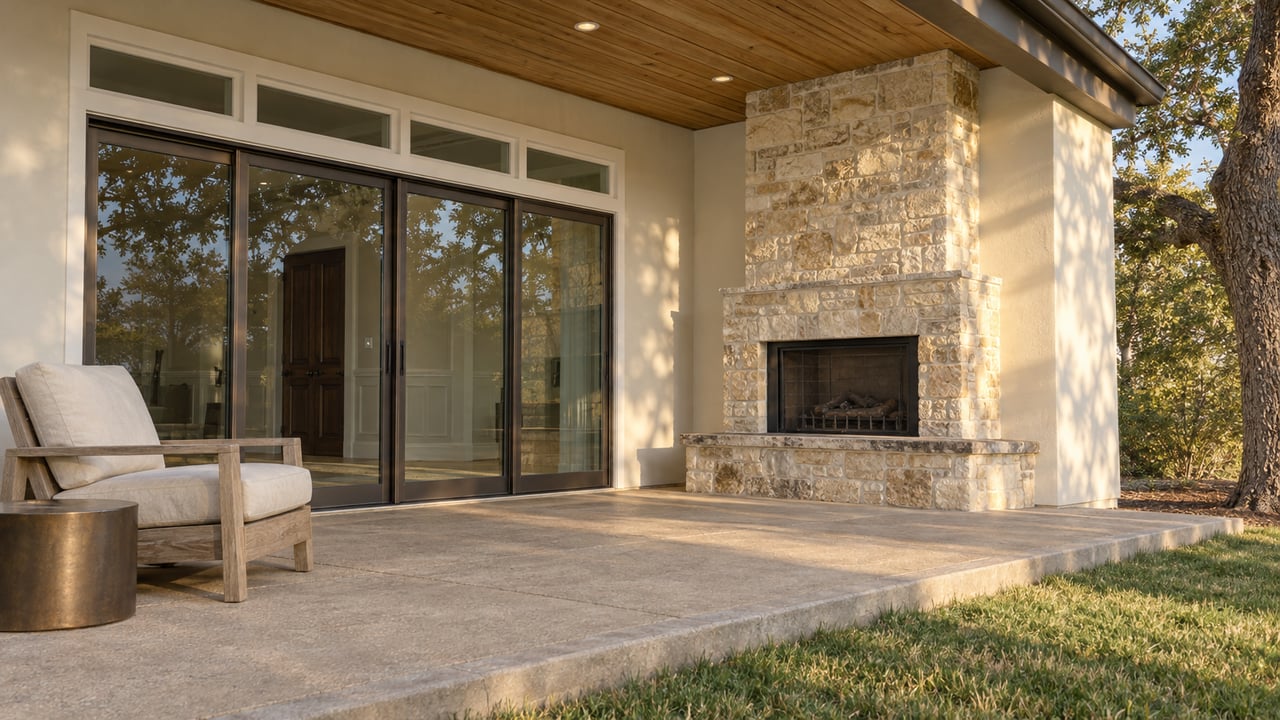
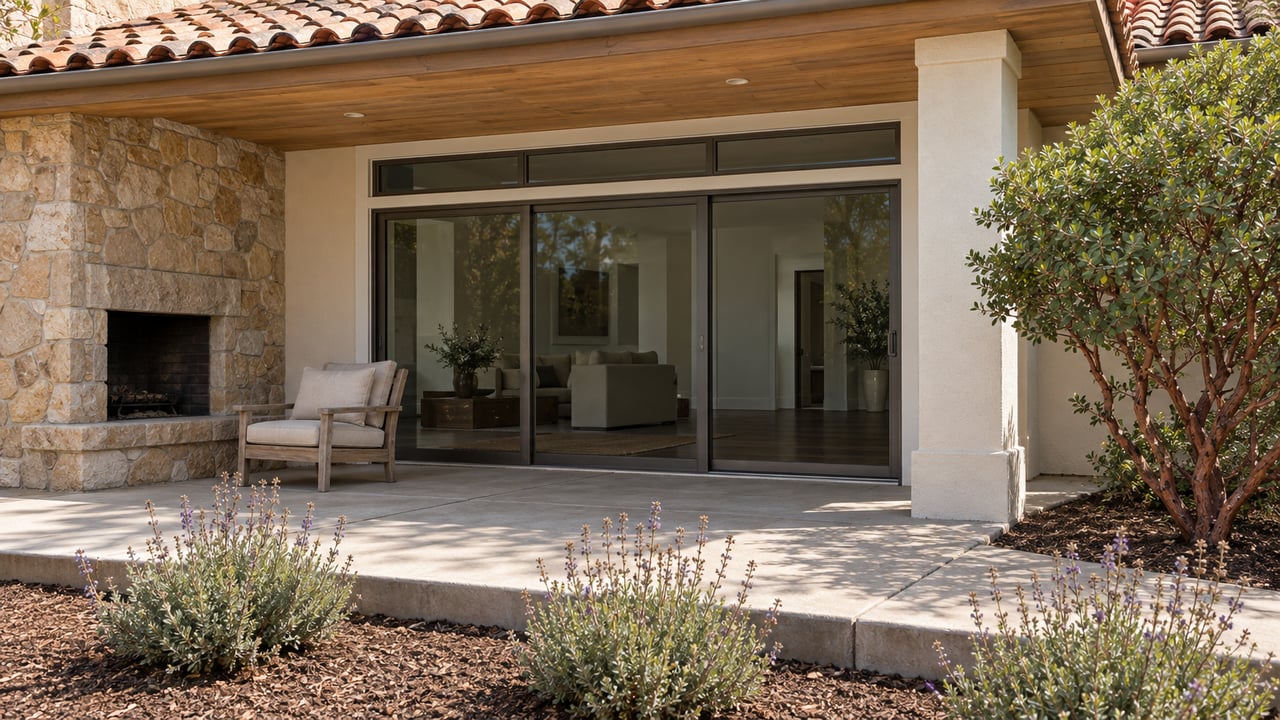
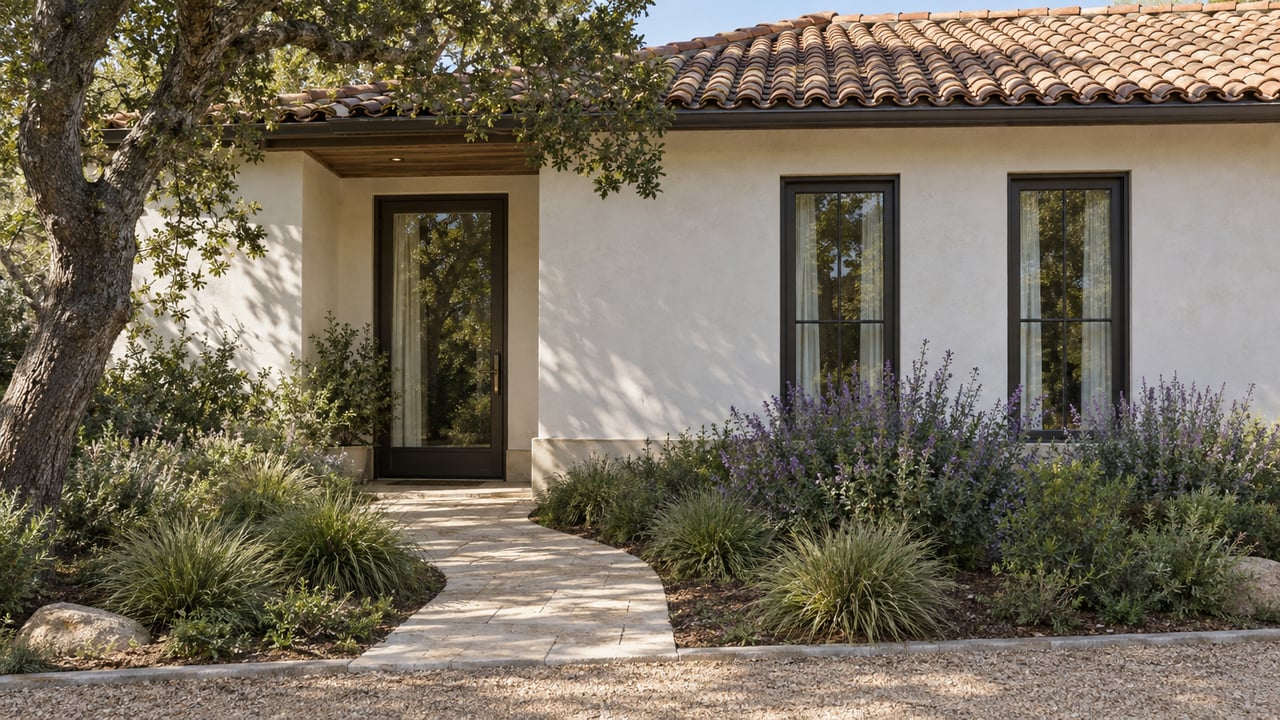
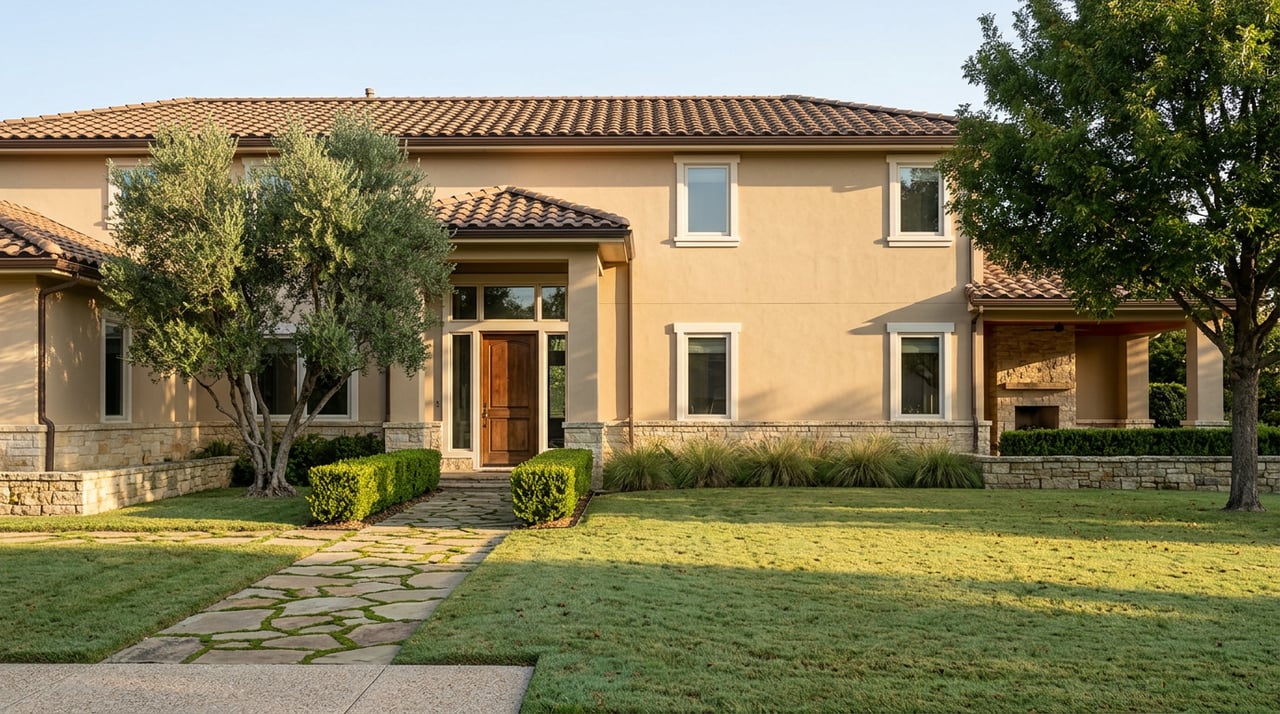
Housing near downtown Pleasanton is best understood as limited, varied, and often older. If you are expecting rows of similar homes or large-scale new construction, this part of Pleasanton may feel very different from what you find in newer neighborhoods.
The city’s Downtown Historic Context Statement explains that residential development accelerated after the railroad arrived and that most surviving homes date from after 1900. It also notes that the downtown residential districts include housing from multiple eras of Pleasanton’s growth.
That means your choices can include older detached homes, infill properties, and some multifamily housing. The same historic context document notes that multifamily housing expanded after World War II and that small multifamily infill projects were built in the downtown area during the 1940s and 1950s.
Historic homes and established streets
Part of downtown’s appeal is the way residential streets blend with the commercial core. The city’s historic residential resource listings include homes on Neal, Division, First, Angela, Pleasanton Avenue, and nearby streets, showing how older residential pockets sit close to downtown activity.
For buyers who value architecture and neighborhood texture, that can be a major plus. You may find homes with more individuality and a stronger sense of Pleasanton’s history than you would in later-built subdivisions.
Condos, attached homes, and mixed-use potential
Downtown is not only about historic detached houses. The city’s planning framework, including the Downtown Specific Plan, supports multifamily and mixed-use residential development in the downtown area.
In practical terms, that means the housing mix near downtown can include attached and higher-density options close to shops, dining, and transit. For buyers looking for a lower-maintenance lifestyle or a potentially lower price point than a detached home, that matters.
What homes cost in Pleasanton
Pleasanton remains a high-cost market, and downtown buyers should go in with clear expectations. According to the research provided, Redfin reported a February 2026 median sale price of $1.5 million for Pleasanton, while Zillow placed the average home value at about $1.56 million and noted that homes were going pending in around 24 days.
For buyers focused on attached housing, condo pricing can offer a useful entry point. The research report notes that Redfin’s Pleasanton condos page showed 21 condos for sale with a median listing price of $515,000, which can serve as a rough proxy for lower-cost opportunities near downtown.
Because downtown inventory is limited and varied, pricing can depend heavily on block, condition, lot size, updates, and housing type. A historic home near the core and a condo or attached property nearby may appeal to very different buyers and come with very different maintenance and lifestyle considerations.
Commute and transit access
For many East Bay buyers, Pleasanton’s commuter access is part of the appeal. The City of Pleasanton’s public transit page states that the city has two BART stations along Interstate 580 and an ACE commuter rail station in downtown Pleasanton.
That downtown ACE station can be especially relevant if you want proximity to regional commuting options while still enjoying a walkable neighborhood setting. The city also notes that Wheels is the local transit system, with Route 8 connecting Dublin/Pleasanton BART to downtown and Route 54 linking the ACE station with Dublin/Pleasanton BART via Hacienda Business Park.
The city’s bike and pedestrian planning also focuses on better connections to downtown, schools, parks, transit, and neighborhoods. That reinforces downtown’s role as one of Pleasanton’s more connected areas for getting around without relying only on a car.
Downtown versus newer Pleasanton neighborhoods
Choosing downtown Pleasanton often comes down to priorities. If you want historic architecture, a central location, and a more walkable lifestyle, downtown can offer a compelling mix that newer neighborhoods may not replicate.
At the same time, there are tradeoffs. Based on the city’s historic context materials, buyers often exchange larger yards, easier parking, and newer-build consistency for older homes, preservation-sensitive blocks, infill patterns, and proximity to the city’s main activity center.
That is not a drawback for everyone. For some buyers, living near Main Street, local events, and established residential blocks is the whole point.
Schools and community context
For buyers evaluating Pleasanton as a whole, school district information is often part of the conversation. The Pleasanton Unified School District states that it serves 13,662 students across 16 schools and reports a 96% graduation rate.
If schools are one of your decision factors, it is helpful to look at attendance boundaries, commute patterns, and how a downtown location fits your day-to-day routine. A neighborhood search is rarely just about the house itself, especially when lifestyle and location are closely tied together.
Is downtown Pleasanton right for you?
Downtown Pleasanton may be a strong fit if you value walkability, local character, and a housing mix that includes both older homes and attached options. It can also appeal if you want easier access to dining, community events, and transit connections in one of Pleasanton’s most established areas.
It may be less ideal if your top priorities are a larger lot, more predictable new-home layouts, or simpler parking. The key is matching the neighborhood’s personality and tradeoffs to the way you actually want to live.
If you are thinking about buying or selling near downtown Pleasanton, working with a local team can help you compare block-by-block differences, pricing patterns, and the pros and cons of older versus newer housing options. If you want tailored guidance for your next move in Pleasanton or the wider Tri-Valley, connect with Conor Dunn.
FAQs
What is downtown Pleasanton known for?
- Downtown Pleasanton is known for its historic character, walkable Main Street area, preserved older buildings, local shopping, dining, community events, and mix of architectural styles.
What types of homes are near downtown Pleasanton?
- Housing near downtown Pleasanton includes older detached homes, infill properties, and some multifamily or attached housing, with many homes dating from the post-1900 period.
Is downtown Pleasanton walkable for daily errands?
- Yes. The City of Pleasanton describes historic downtown as a walkable district with boutiques, specialty shops, restaurants, and outdoor dining clustered near the core.
Are there condos near downtown Pleasanton?
- Yes. The local housing mix includes attached housing and multifamily options, and condo listings in Pleasanton can provide a lower-cost entry point compared with detached homes.
Does downtown Pleasanton have transit access?
- Yes. Pleasanton has two BART stations, an ACE commuter rail station in downtown, and local Wheels bus routes that connect downtown with regional transit points.
How does downtown Pleasanton compare with newer neighborhoods?
- Downtown Pleasanton generally offers more historic charm, walkability, and proximity to the city’s activity center, while newer neighborhoods may offer larger yards, easier parking, and more uniform home designs.