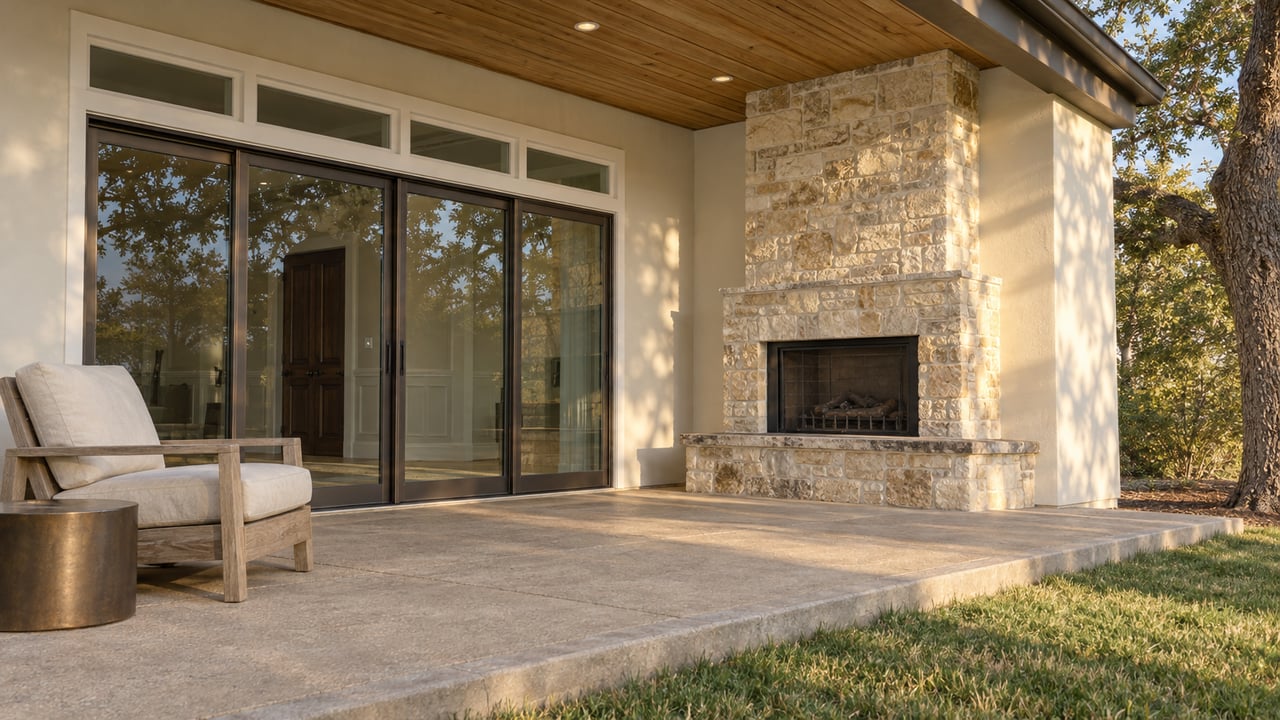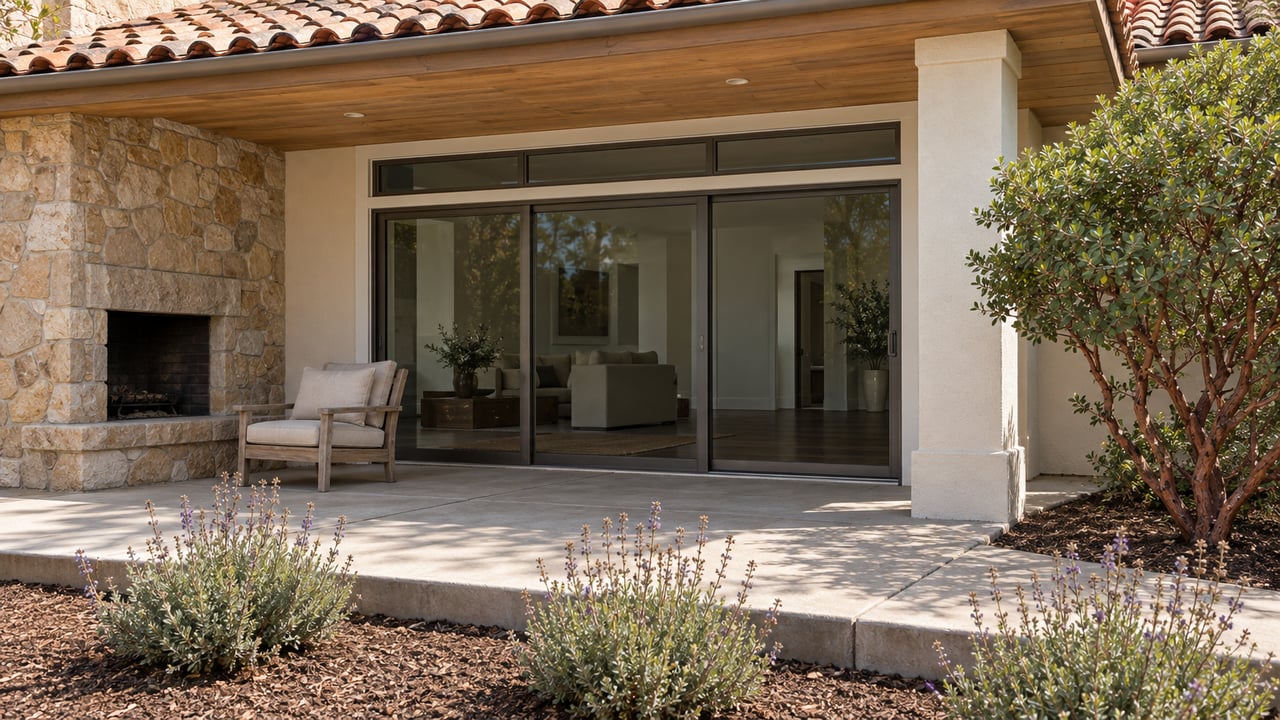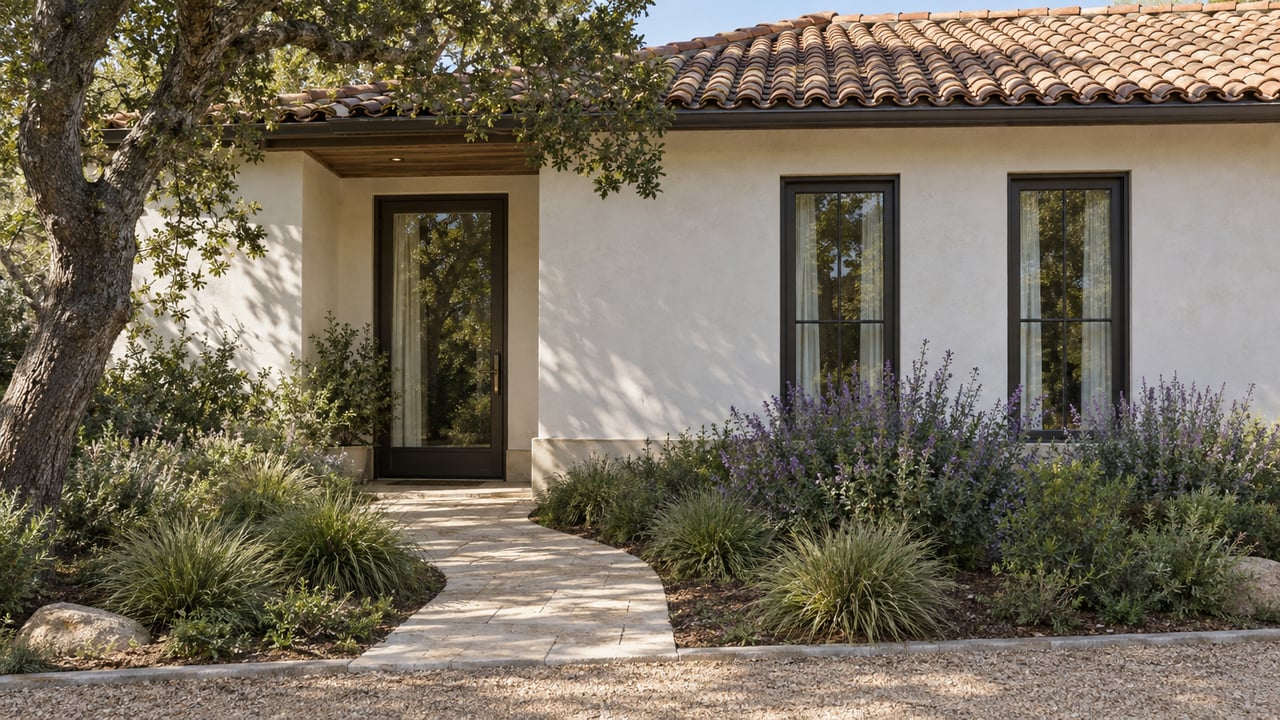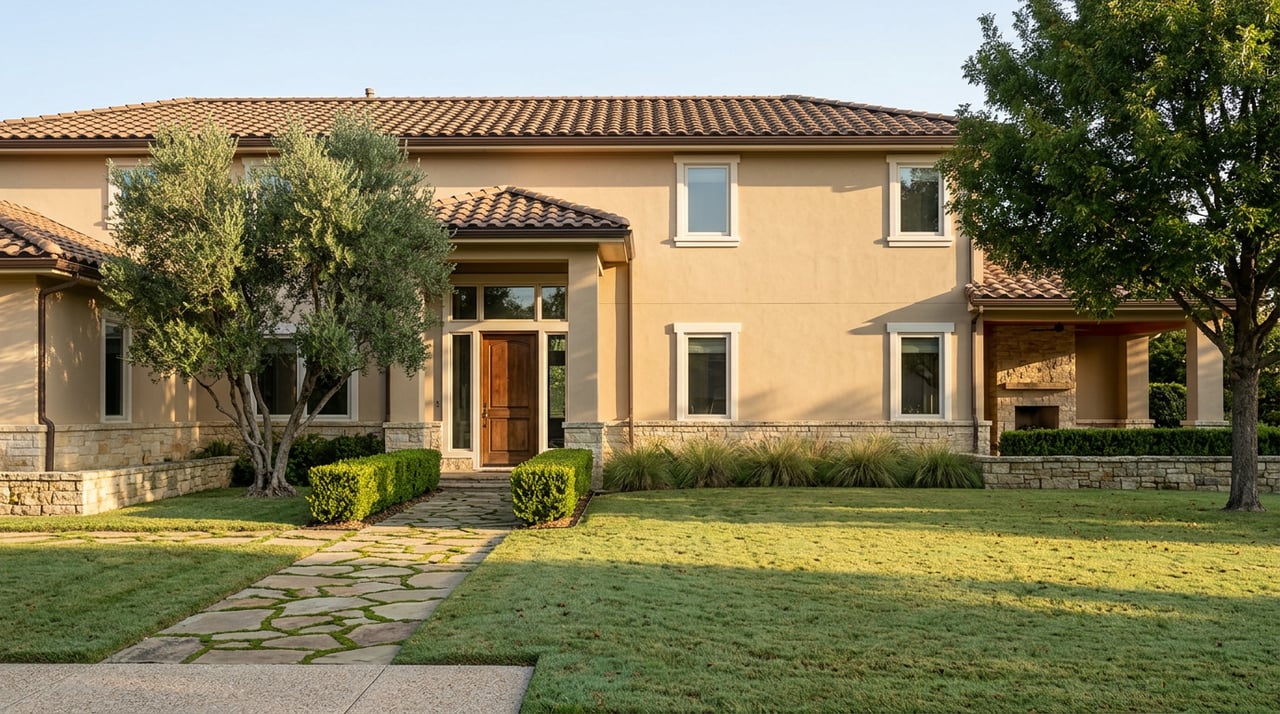
Trying to choose between Dublin’s newer master‑planned neighborhoods? You are not alone. Buyers here weigh trade‑offs like amenities, HOA rules, yard space, commute, and long‑term value. In this guide, you will get a simple framework to compare Wallis Ranch, Jordan Ranch, and Positano so you can decide what fits your lifestyle and budget. Let’s dive in.
How to compare Dublin communities
Scale and ownership model
Look at whether the project is a large, phased master plan with multiple builders or a smaller enclave with one builder. Confirm who maintains streets, parks, and stormwater features. In some areas the HOA handles it, while others fall under city services.
Amenities and open space
Inventory the on‑site features like parks, trails, and gathering spaces. Also ask which features are private HOA amenities versus public city parks and trail segments. Maintenance and access can vary by phase.
Housing mix and architecture
Check product types across phases, from townhomes and duplexes to detached single‑family. Review the architectural style rules and curb appeal controls. Street character can shift based on garage orientation and lot layout.
Lot sizes and outdoor space
Yards vary by phase and product type. Some homes have smaller footprints with limited back yards, while others offer medium suburban lots or select larger pockets. Evaluate side yards, privacy, and setbacks for day‑to‑day livability.
HOA governance and costs
Understand what dues cover, including landscape, private roads, common areas, and any facility operations. Read CC&Rs for paint, fencing, solar, rentals, and exterior changes. Ask about reserve studies and any special assessments.
Lifestyle and commute
Map proximity to I‑580, I‑680, and the Dublin/Pleasanton BART station. Test peak drive times and neighborhood traffic patterns. Balance walkability to parks and retail with your desire for quieter streets.
Purchase and resale
Newer construction brings modern systems and builder warranties, but you pay a premium and may face ongoing construction nearby. Resale demand can vary by amenity mix, lot sizes, and HOA rules. Review nearby closed sales from finished phases to gauge market appetite.
Wallis Ranch at a glance
Buyers commonly view Wallis Ranch as a large, multi‑phase master‑planned neighborhood with a mix of product types. Marketing often highlights multiple parks, trail connections, and integrated open‑space corridors. It tends to appeal to buyers who want newer construction with access to outdoor features.
What to verify here
- Current builders and product types by phase, including standard features and options.
- Exact amenity list and whether trails or parks are HOA‑maintained or city‑maintained.
- HOA structure, dues by sub‑association, and the latest budgets and reserve studies.
- Recorded lot sizes, typical lot types, and any differences by phase.
- School assignments with Dublin Unified School District and any planned school sites.
- Proximity to major roads and any noise buffers or sound walls in specific phases.
Jordan Ranch at a glance
Jordan Ranch is often presented as a neighborhood‑scale community oriented toward traditional single‑family living. It typically includes neighborhood parks and pedestrian connectivity, with fewer shared lifestyle facilities than the largest master plans. Many buyers here prioritize private yard space and a classic neighborhood feel.
What to verify here
- Amenity package by phase, including whether there is a clubhouse or pool.
- Lot sizes and which product types sit on larger versus smaller lots.
- What HOA dues cover, such as landscape, lighting, or private park maintenance.
- Rental and occupancy rules in the CC&Rs.
- Access routes to I‑580, I‑680, and BART for your specific phase or street.
Positano at a glance
Positano is commonly described as a smaller enclave with a cohesive, stylized aesthetic. As a compact tract, it may rely more on nearby city parks and trails than on large private amenity complexes. Buyers who value a distinct, consistent look and newer construction in a limited phase often consider this area.
What to verify here
- Whether Positano has its own HOA or is part of a broader master HOA.
- Architectural guidelines, paint palettes, and design review processes.
- Lot footprints and garage orientation if you have multiple vehicles.
- Whether residents have access to any shared amenities beyond the immediate tract.
Which community fits your lifestyle?
Young professional commuter
You may prefer low‑maintenance living and quick access to I‑580, I‑680, and BART. A phase with smaller yards and strong architectural controls can keep upkeep light. Verify any transit shuttles, parking rules, and street flow during peak hours.
Young family
You may prioritize usable yard space, nearby parks, and predictable HOA rules. Look for phases with medium lots, safe pedestrian routes, and clear CC&Rs for play structures, fencing, and exterior changes. Confirm school assignments with the district.
Downsizer or empty nester
You may want newer systems, manageable outdoor space, and community connectivity without heavy maintenance. Consider sub‑associations that include landscape coverage or have tighter architectural standards that support consistent curb appeal. Review HOA budgets and reserve studies for cost stability.
What to check before you sign
- Latest HOA documents for your sub‑association: CC&Rs, bylaws, budgets, reserve study, and meeting minutes.
- Recorded subdivision and parcel maps for lot size, easements, and public versus private streets.
- Current builder plan sets and spec sheets for floorplans, standard features, and energy systems.
- Amenity maps showing what is private HOA space versus public parks and trails.
- Dublin Unified School District boundary information for school assignments.
- Recent sold comps from finished phases of the same community for pricing and days on market.
- Commute testing during peak hours to I‑580, I‑680, and Dublin/Pleasanton BART.
- Rental policy, solar and ADU rules, and architectural review timelines and fees.
Commute and connectivity tips
Test multiple routes to the freeways and BART during the hours you actually travel. Newer tracts sometimes trade immediate freeway access for quieter internal streets. Walk the area to gauge pedestrian connections to parks, paths, and any nearby retail.
Resale and long‑term value
Resale strength often tracks with a community’s amenity mix, lot usability, and HOA flexibility. Newer homes can command a premium at first thanks to modern features and warranties. Over time, closed sales in finished phases reveal how specific products, locations, and rules influence demand.
Ready to narrow your search to the right street and phase? You will get more clarity by pairing this framework with on‑the‑ground insights and current documents for each sub‑association. If you want a local, consultative guide through Dublin’s newer tracts, reach out to Conor Dunn for a focused plan.
FAQs
How big are yards in Dublin’s master‑planned communities?
- Yard sizes vary by phase and product type. Review the recorded lot map and builder site plan for the exact model and homesite you are considering.
What do HOA dues typically cover in these neighborhoods?
- Coverage differs by sub‑association. Read the budget and CC&Rs to confirm if dues include landscaping, private road maintenance, common‑area insurance, and any amenity operations.
Can I install solar panels or add an ADU in these tracts?
- California supports solar and ADUs, but you must still follow CC&Rs and design review procedures for placement, setbacks, and appearance.
Are there rental restrictions I should know about?
- Many HOAs set policies on short‑term rentals or rental caps. Check the CC&Rs and any separate rental policy for current rules.
Which community has the best resale potential in Dublin?
- It depends on amenity mix, lot sizes, school assignments, and absorption. Compare recent closed sales and days on market from completed phases in each area.
Will future phases add construction noise or traffic near my home?
- Review the project’s master plan and city planning documents for buildout timelines, adjacent phases, and planned infrastructure that could affect access and noise.