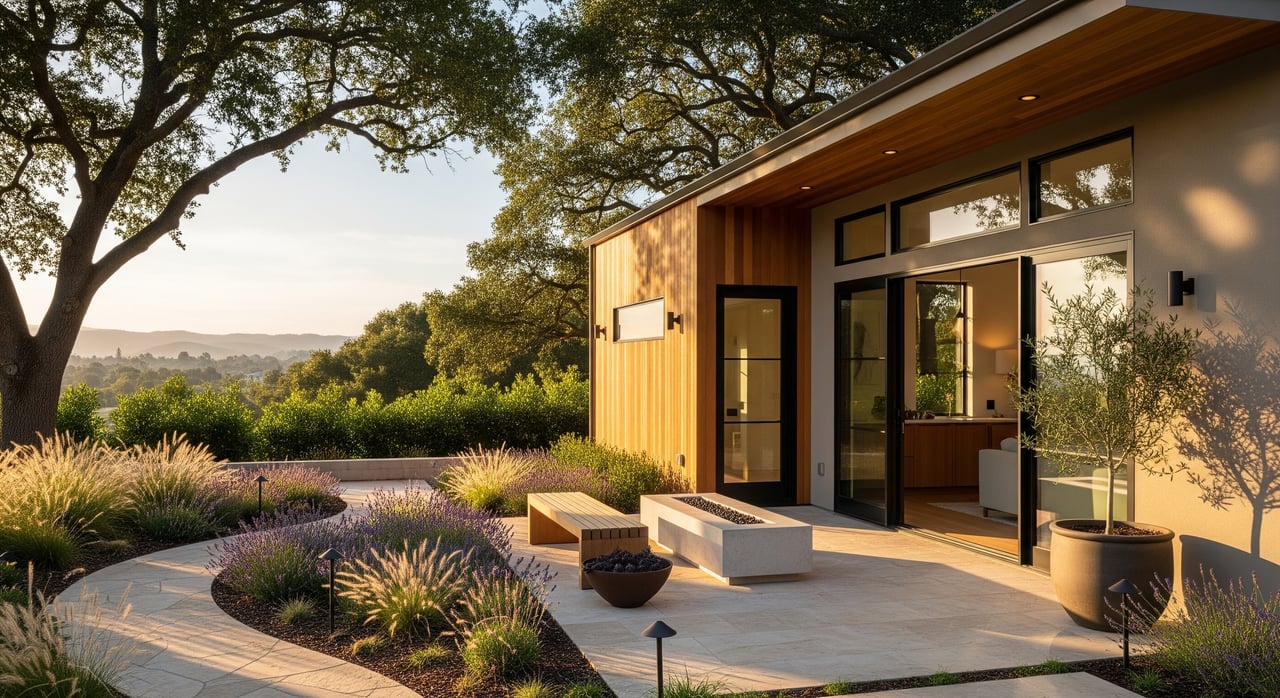
Thinking about adding an accessory dwelling unit to your Pleasanton property? You’re not alone. ADUs can create flexible space for family, add rental income, and boost long‑term value. But California rules and local processes can feel complex at first glance. This guide breaks down how state law shapes Pleasanton’s approach, what the local permit path looks like, and the practical steps to move from idea to approved plans. Let’s dive in.
What an ADU is in California
An accessory dwelling unit is a secondary, independent home on the same lot as a primary residence. It has its own entrance, sleeping area, bathroom, and kitchen. A junior ADU (JADU) is a smaller unit created within the footprint of the existing home and follows a different set of standards.
California law gives you broad rights to build ADUs and limits how restrictive local rules can be. Pleasanton applies these state requirements through its municipal code and permitting practice.
How state law shapes Pleasanton ADUs
Ministerial review and eligibility
State ADU statutes require cities to use a ministerial review for most ADUs and JADUs. That means no discretionary public hearing when your plans meet the objective standards. Cities must also follow a statutory decision timeline once your application is complete, often about 60 days in many jurisdictions.
Number and types you can build
State law allows both ADUs and JADUs in many situations, with limits on how cities can restrict them. The exact combination that is allowed on a single Pleasanton lot, and how it applies to your zoning, comes from the Pleasanton Municipal Code. Confirm your parcel’s options with the Planning Division before you start design work.
Pleasanton’s permit path, step by step
While every project is unique, most Pleasanton ADUs follow a similar pathway:
- Pre-application check (optional). Meet with Planning to confirm zoning, setbacks, lot coverage, and any overlays that may apply. This can help you avoid redesigns later.
- Planning submittal. Provide a site plan, floor plans, elevations, and basic details showing you meet the city’s ministerial standards. If your plans comply, approval should proceed without discretionary hearings.
- Building permit. Submit construction drawings, structural and energy (Title 24) documents to the Building Division for plan check.
- Inspections and final. Build per approved plans, complete inspections, and obtain final occupancy. Public Works may review utilities, drainage, or driveway changes as needed.
You can start with the official City of Pleasanton website to locate the Planning and Building pages for ADU handouts, checklists, and forms. Visit the city’s site at the official City of Pleasanton website.
Lot and design checks in Pleasanton
Zoning and overlays
First, verify your zoning district allows ADUs and whether your lot has special conditions. Historic or conservation overlays, hillside areas, or planned communities may include additional standards or reviews that affect design and placement.
Size, height, setbacks
Pleasanton’s code sets size limits, height caps, and setbacks for attached and detached ADUs, consistent with state law. These standards can differ based on whether your ADU is new construction, attached to the primary home, or a conversion. Ask Planning to confirm the current numbers for your parcel before finalizing plans.
Conversions and JADUs
Converting existing space, like a garage or interior area, is often the fastest and least complex path. JADUs are small units within the existing home and follow different rules. Check Pleasanton’s criteria for whether a JADU is allowed along with an ADU on the same lot, and any owner‑occupancy or recording requirements that may apply.
Utilities, access, and fire
Work with your designer to confirm water, sewer, gas, electrical capacity, and meter setup. Some properties may need utility upgrades. Plan for safe and clear access, egress windows where required, and any tree, drainage, or hillside considerations. If your property uses a private well or septic, ask the city and relevant agencies about feasibility and approvals.
Parking, fees, and costs to expect
Parking rules at a glance
State law limits when cities can require off‑street parking for ADUs. Common exemptions include units near public transit and ADUs created within existing structures. Pleasanton’s code outlines when parking is required and when exemptions apply. Confirm your parcel’s parking requirement early so you can plan the site layout accordingly.
Impact and connection fees
California law restricts impact and connection fees for smaller ADUs and requires proportional fees for larger ones. Pleasanton’s fee schedule covers planning review, building permits, plan check, and any public works fees. Ask the city for an estimate based on your unit size and scope so you can budget accurately.
Taxes, rentals, and value
ADU rental income is taxable, so speak with a tax professional about your plan. If you’re considering short‑term renting, review Pleasanton’s current rules before you market the unit. An ADU can increase property value and long‑term flexibility, but market impacts vary by neighborhood and design quality.
Timelines and what to expect
Review deadlines and duration
Because ADUs are processed ministerially, cities follow a statutory timeline after your application is complete. Actual duration depends on design complexity, the need for site or utility work, plan check cycles, and contractor schedules. Simple conversions may move quickly, while detached, ground‑up ADUs often take several months from concept to occupancy.
Common roadblocks to avoid
- Skipping a zoning and overlay check before design
- Underestimating utility capacity or trenching scope
- Designing without considering parking rules or fire access
- Missing required documents for Planning or Building submittal
Your next steps
- Review Pleasanton’s ADU handouts on the city website and confirm your zoning and basic standards.
- Schedule a pre‑application conversation with the Planning Division to discuss setbacks, height, lot coverage, and overlays.
- Ask for the current fee schedule and typical processing timelines for ADUs.
- Engage a local architect or designer with Pleasanton ADU experience; discuss utility capacity and site constraints up front.
- If you plan to rent the unit or need financing, consult lenders and a tax advisor familiar with ADUs.
Helpful resources
- Start here for city contacts, forms, and permits: official City of Pleasanton website
Ready to map out your Pleasanton ADU? Let’s talk about feasibility, value impact, and a plan that fits your goals. Reach out to Conor Dunn for local guidance backed by deep Tri‑Valley expertise.
FAQs
What is the basic ADU approval process in Pleasanton?
- Most projects follow a ministerial Planning review, then Building permit submittal, inspections, and final occupancy if plans meet objective standards.
How does California law affect ADUs in Pleasanton?
- State statutes require ministerial review for eligible ADUs and set limits on local restrictions, shaping how Pleasanton processes and approves your project.
Do I need to provide new parking for my ADU?
- It depends on your site and ADU type; state law provides exemptions in many cases, including some units near transit or created within existing structures.
Can I convert my garage into an ADU?
- Often yes, subject to Pleasanton’s standards for conversions, fire and egress requirements, and any utility or structural upgrades needed.
How long does ADU approval usually take?
- Cities follow a statutory review timeline after your application is complete; total project duration varies with design complexity, plan check cycles, and construction scheduling.
What fees should I expect for an ADU in Pleasanton?
- Expect planning, building, and possible public works fees; California law limits certain impact and connection fees for smaller units and requires proportional fees for larger ones.