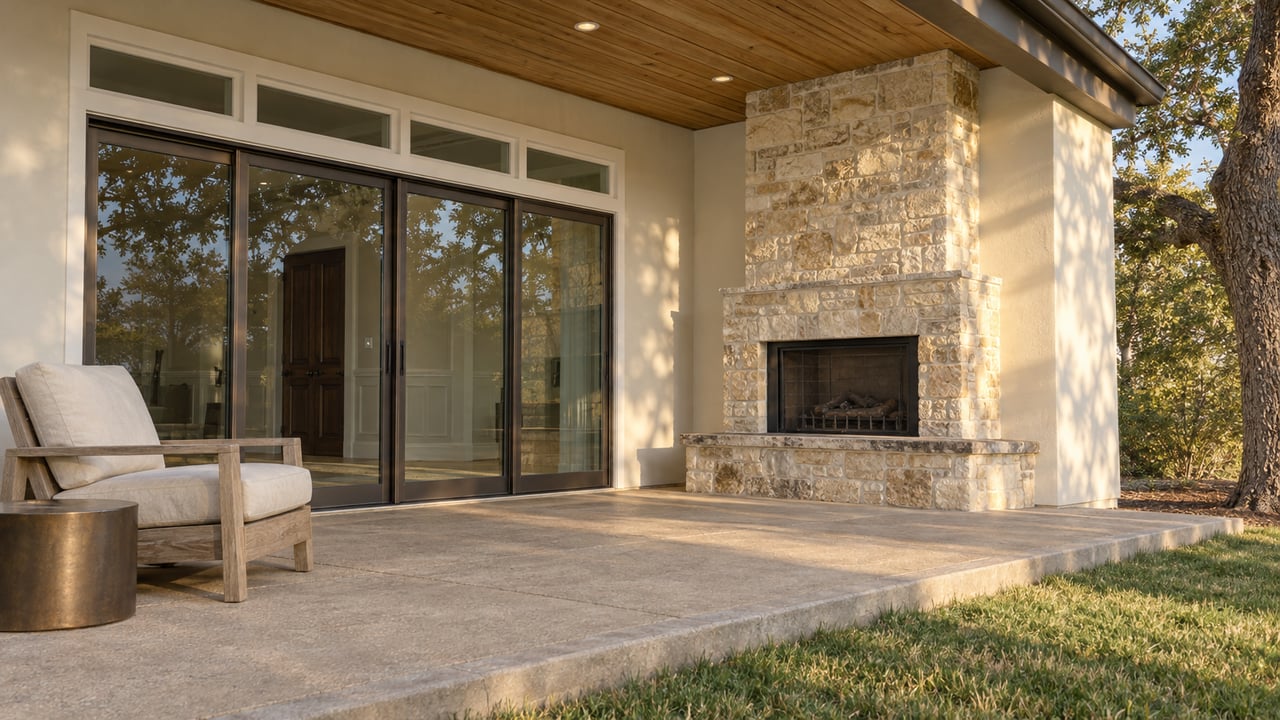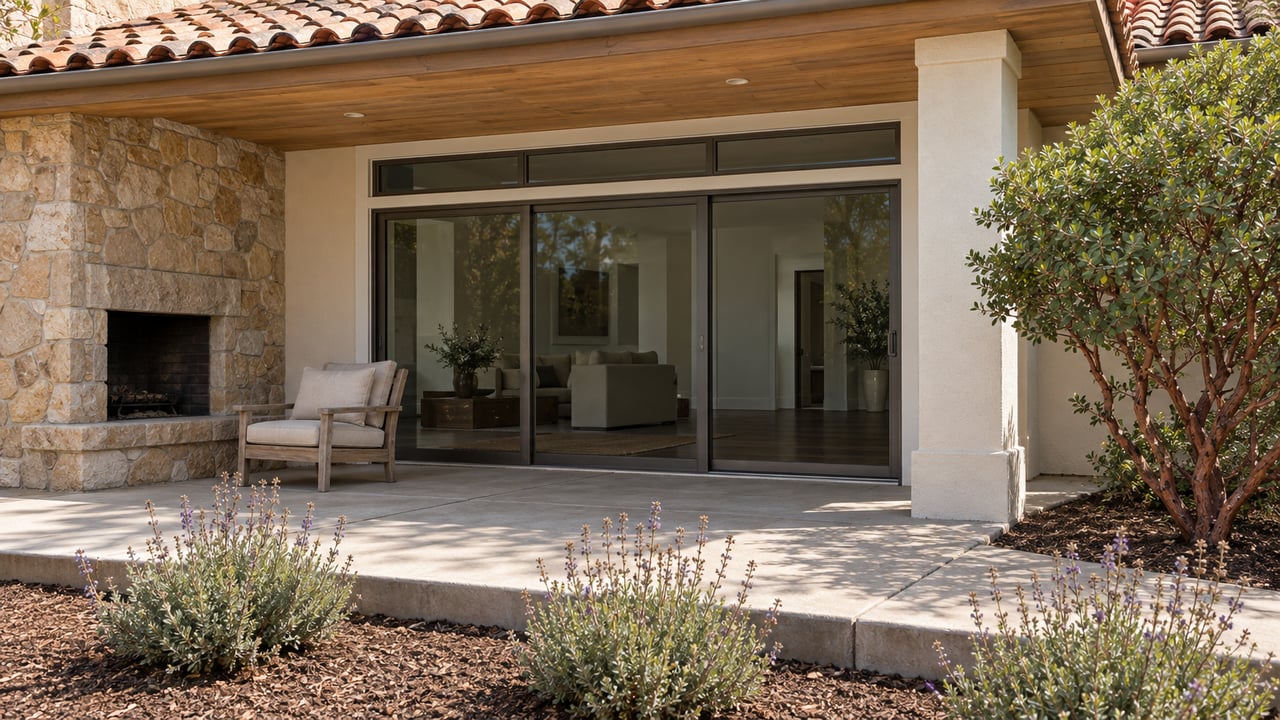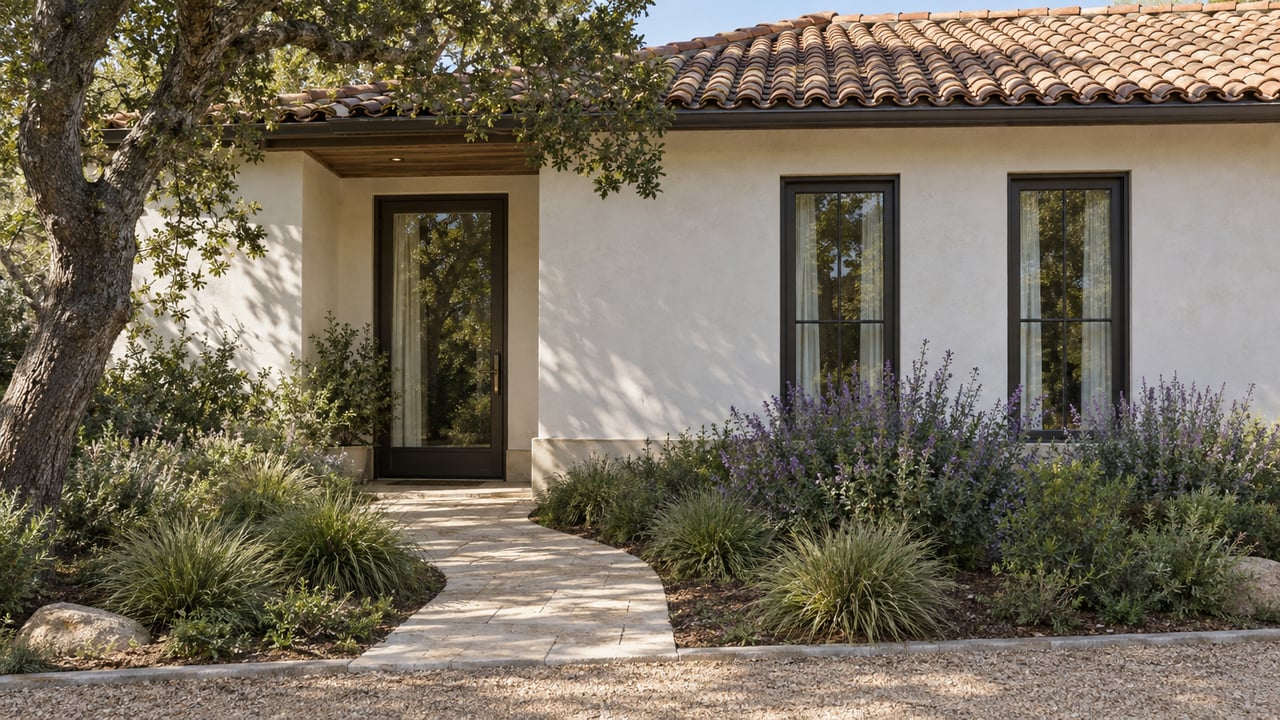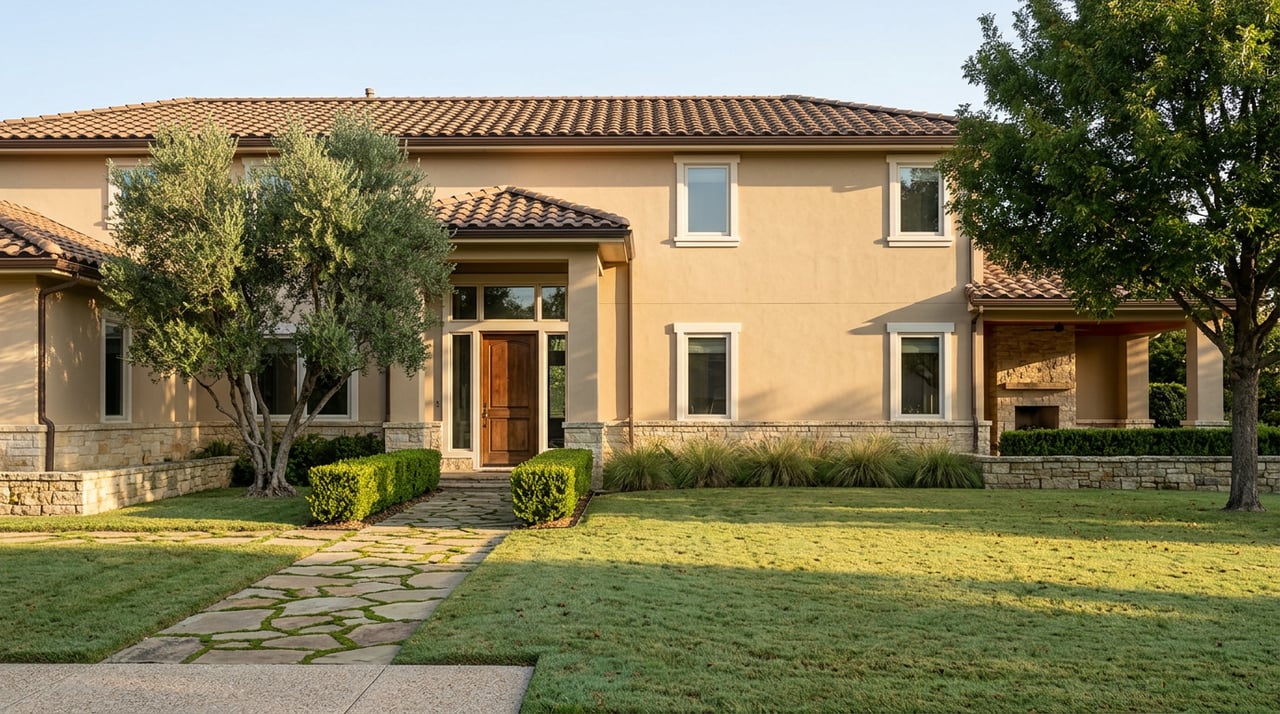
Two San Ramon homes list at $1.6 million. One sits in an older tract off Alcosta. The other is a newer build in Dougherty Valley. On the portals they look interchangeable. At the loan desk they are not the same house, and a buyer who runs the math only on the sticker price will find that out the wrong way.
The friction is a line item most buyers never think about until escrow. Mello-Roos, the annual special tax collected inside a Community Facilities District, quietly reshapes what a buyer can borrow and what a seller can command. It is also the cleanest explanation for why San Ramon's 2026 price data reads so oddly, with some pockets holding firm and others softening much faster.
The number the portal doesn't show you
The city-wide picture is easy to summarize and easy to misread. As of July 2026, the median list price in San Ramon sat at roughly $1.38 million at about $693 per square foot, down about 1% year over year. Redfin's three-month view through May 2026 put the median sale price closer to $1.6 million with homes moving in roughly 14 days. Zillow's index for the same window came in at $1,536,120, down about 8.1% year over year. Different methodologies, same story: prices have eased from the 2021–2022 peak while velocity stays quick.
The city-wide number, though, averages across neighborhoods that are not behaving the same way. One April 2026 analysis put Gale Ranch off only about 3% year over year while Dougherty Valley was down roughly 11% and Central San Ramon down about 14%. That gap is the thesis of this post: the median is a blended average of parcels carrying very different total costs of ownership, and Mello-Roos is doing a lot of the sorting.
What "stacked" actually means here
Most Contra Costa homeowners pay a combined effective property tax rate somewhere between 1.10% and 1.40% of assessed value, built off the 1% Proposition 13 base plus voter-approved bonds and assessments. In Mello-Roos communities including Dougherty Valley, that effective rate can climb to 1.50% or higher.
The word that matters in Dougherty Valley is stacked. Many parcels there, including inside Gale Ranch and Windemere, carry more than one overlapping CFD. Each district has its own Rate and Method of Apportionment, its own escalator, and its own sunset. A parcel can be paying into a facilities district that funds infrastructure bonds and, separately, a services district that funds ongoing police, parks, or storm drainage. Bond-backed districts eventually retire. Services districts can continue indefinitely, a point the U.S. Supreme Court effectively affirmed when it declined to review the Building Industry Association's challenge to San Ramon's use of CFDs for ongoing services.
When you pull the parcel's tax bill from the Contra Costa County Treasurer-Tax Collector, the CFD lines are what to look for:
- A named district, often with a bond series
- Two installments that add up to the annual CFD total
- Any line labeled "Special Tax," "CFD," or "Community Facilities District"
- Any bond-related entry tied to the district
None of that shows up in a median price. All of it shows up in the monthly payment.
The DTI math, on one parcel
Here is the mechanism that changes an offer. A lender treating a $4,000 annual CFD as monthly housing expense adds about $333 to PITI. At current rates and a standard debt-to-income ratio, that overhead reduces the loan amount a buyer qualifies for by roughly $50,000 to $60,000. Same buyer, same income, same day. Different parcel.
| Two San Ramon homes, same $1.6M price | Older tract, no CFD | Dougherty Valley, stacked CFDs |
|---|---|---|
| Base 1% property tax | ~$16,000 / yr | ~$16,000 / yr |
| Mello-Roos (illustrative, verify per parcel) | $0 | ~$4,000 / yr |
| Effective rate | ~1.10%–1.40% | 1.50%+ |
| Added to monthly PITI | $0 | ~$333 |
| Approx. borrowing power lost at same DTI | — | ~$50K–$60K |
The numbers move by parcel. The direction does not. A comparable district benchmark from just over the Alameda line, Dublin's CFD No. 2015-1 at Boulevard, illustrates the range: about $3,912 to $5,830 per single-family home in FY 2024-25, escalating up to 2% annually, with no special tax levied after fiscal year 2050-51.
That last piece is the underappreciated part. A CFD with a defined sunset is a temporary drag on the payment and, eventually, a future selling point. A services CFD with no sunset is a permanent addition to the cost of ownership. Two homes down the street from each other can carry very different profiles, which is why "the CFD on this street" is not a useful shorthand.
Why the neighborhoods diverged
Reread the 2026 spread with the tax math in hand. Gale Ranch, structurally supply-constrained with a very high barrier to entry, held its value because the buyer pool for a $2M-plus home absorbs the CFD as a rounding error against total cost. In the newer, more price-sensitive tracts inside Dougherty Valley, buyers financing near the top of their DTI feel the CFD directly. When rates drifted up through Q1 2026, those buyers hit the qualifying ceiling faster, and price had to give. Central and older San Ramon, largely outside the CFD footprint, softened for different reasons entirely: age of inventory, updates required, and school-calendar-driven listing timing that inflated April supply.
Read that way, the city-wide 13-ish percent median compression is not one market cooling. It is a rate-sensitive segment adjusting inside a Mello-Roos overlay while a rate-insensitive segment holds. A buyer looking at the city-wide chart is looking at two curves averaged into one.
The three documents that settle it
Before writing an offer on any San Ramon home, especially a resale in Dougherty Valley or newer construction, three items answer nearly every question that would otherwise surface in escrow:
- The most recent Contra Costa County property tax bill for the exact APN. This is the only source that shows the current annual CFD amount actually being billed. Contra Costa bills in two installments, due November 1 (delinquent after December 10) and February 1 (delinquent after April 10), with a 10% penalty on late installments.
- The preliminary title report. Look for a Notice of Special Tax recorded against the parcel. That notice will name the CFD and point to the recorded Rate and Method of Apportionment.
- The RMA itself, available through City of San Ramon records or the title company. The RMA is where the escalator, the calculation formula, and the sunset date live. It is the document that tells you whether the CFD is a bond that retires or a service charge that continues.
Pull those three, and the parcel stops being an abstraction on a portal and becomes a specific monthly number. That is the number lenders underwrite. That is the number that should shape the offer.
FAQ
Does every San Ramon home have Mello-Roos? No. CFDs cluster in the newer master-planned areas, particularly Dougherty Valley including Gale Ranch and Windemere. Older neighborhoods often have no CFD. Two homes on the same street can carry materially different combined rates depending on when the tract was built and which districts were formed.
Can Mello-Roos be paid off early? Some bond-backed CFDs allow prepayment or bond redemption, but the terms are specific to each district and spelled out in the RMA or bond documents. Prepayment is not always available and not always economical.
Is it deductible? Deductibility depends on how a given CFD is structured and on current federal rules including the state and local tax cap. That is a conversation for a CPA, not an agent.
Does the CFD end when I sell? No. The special tax runs with the parcel, not the owner. The next buyer inherits the same billing schedule and the same underwriting treatment.
Should Mello-Roos change the price I offer? It should change the payment you can comfortably support, which changes the price band you shop in. Whether it moves your offer on a specific home depends on how the district compares to competing parcels in your search.
Buying in San Ramon rewards the buyer who reads the parcel before writing the offer. If you'd like a specific address walked through the tax bill, the title report, and the qualifying math before you go into contract, Conor Dunn and The Dunn Team are glad to sit down with the documents. Or start with a free home valuation if you're the seller trying to understand how your street's CFD profile is shaping today's buyer pool.