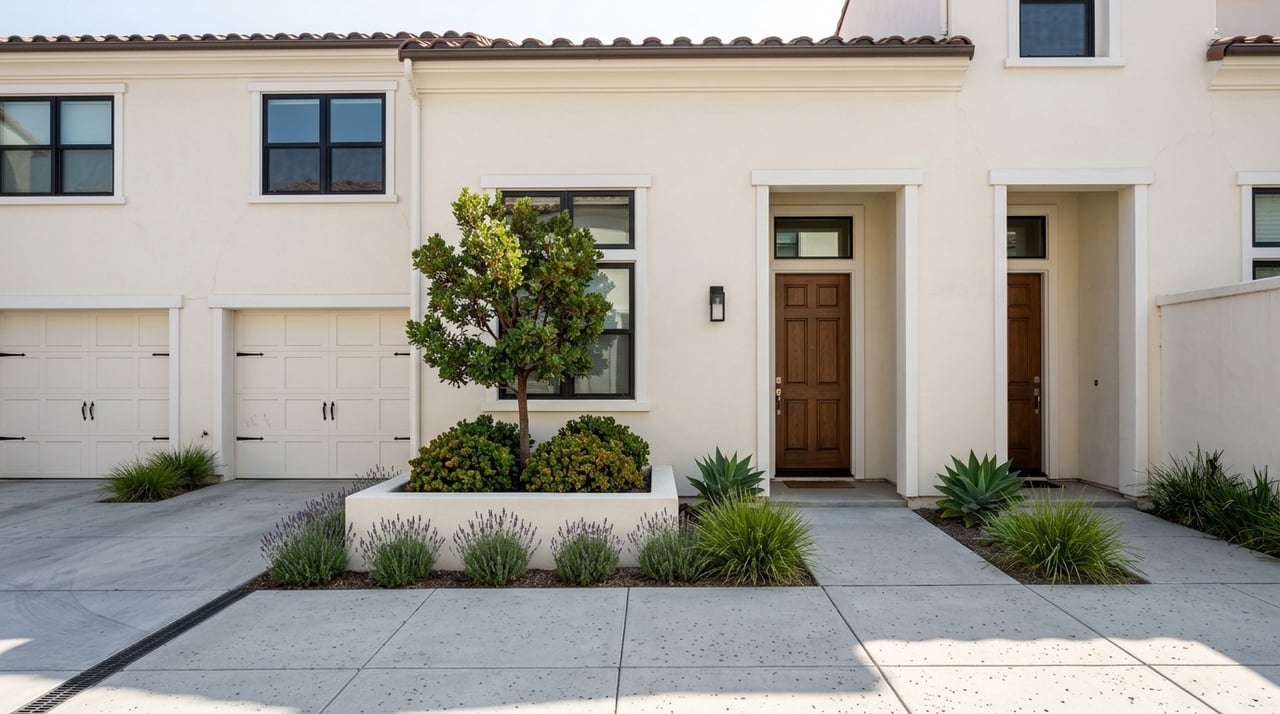
Wondering whether a condo or townhome in San Ramon is the right fit for your next move? You are not alone. Many buyers are drawn to the lower-maintenance appeal, convenient locations, and community amenities that attached-home living can offer, but the details matter more than the label. If you are comparing options in San Ramon, this guide will help you understand how these homes work, what to watch for, and how to choose a community that fits your lifestyle. Let’s dive in.
Understanding attached-home ownership
When you search for homes in San Ramon, you will often see condos, townhomes, and planned-development homes grouped together. In California, though, those terms are not just about the way a home looks. They can also describe different legal ownership structures.
That distinction matters because the listing label does not always tell you whether you own the land, who maintains the exterior, or what areas are shared. In a common interest development, ownership can include a lot, a home, a townhouse, or a condominium, and association membership is automatic when you buy.
For you as a buyer, the key takeaway is simple: do not assume two attached homes work the same way just because they look similar. The ownership structure, HOA rules, and maintenance responsibilities can vary from one San Ramon community to the next.
Where attached homes are in San Ramon
San Ramon’s attached-home options are spread across several parts of the city. City planning documents identify major Dougherty Valley areas like Gale Ranch and Windemere Ranch, and the city’s HOA map also points to communities in multiple locations, including Canyon Park Townhomes HOA, Cantera at Gale Ranch, Portola at Gale Ranch, Sunny Glen Senior Homeowners Association, and Vintner HOA.
That broad footprint is helpful if you want choices. You may find attached homes near trails, near shopping and dining, or with easier access to transit and commute routes, depending on the part of San Ramon you focus on.
A few notable community examples
San Ramon has a mix of attached-home communities with different layouts, amenities, and living styles.
City Village at Bishop Ranch 6 is a 404-unit for-sale community that includes 136 attached townhomes. The townhomes are three-level homes with 3 to 4 bedrooms, 3.5 baths, about 1,716 to 2,250 square feet, and private 2-car garages. The project also includes a 2-acre public park, walking and biking trails, gathering areas, seating areas, and a community barbecue area. It is located less than 600 feet west of the San Ramon Transit Center.
Vintner is a condominium community known for tree-lined surroundings and amenities such as a fitness center and pool. The HOA also highlights convenient access to Interstate 680, along with nearby restaurants, shopping, and outdoor recreation.
Sunny Glen is a 55+ community where one occupant must be at least 55. It includes 60 attached townhomes, a clubhouse, pool, BBQ area, gazebo, shuffleboard, ping pong, and bocce ball courts. The townhomes are smaller, at about 612 or 780 square feet, and the HOA notes an annual clubhouse-and-grounds fee of $675.
Why the HOA matters so much
In San Ramon, one of the biggest parts of condo and townhome living is the homeowners association. In a California common interest development, the HOA handles governance of the common areas and can levy dues and assessments for costs like taxes, insurance, filing fees, maintenance, and repairs.
That means your monthly housing cost is not just your mortgage payment. You also need to understand the HOA dues, what they cover, and whether the association appears to be planning responsibly for future repairs and replacements.
Special assessments are another part of the picture. These can be used for major repairs, replacements, or unexpected expenses. California guidance also notes that board-approved special assessments without member approval are limited to 5 percent of gross budgeted expenses for the year.
What to review before you buy
Before you move forward on an attached home, make time to review the documents that shape day-to-day ownership. In many cases, these are just as important as the floor plan.
Look closely at:
- HOA dues and what they cover
- Reserve planning and overall budget health
- Rules in the CC&Rs
- Insurance responsibilities
- Architectural review rules
- Limits on exterior changes or personal use of shared spaces
If you are buying in a new subdivision, the California Department of Real Estate requires a public report before you become obligated to buy. That report includes CC&Rs, costs, assessments, and other material disclosures, making it a core part of your due diligence.
Parking and storage checks
Parking can have a major impact on how comfortable attached-home living feels. In some communities, your setup may be simple and garage-based. In others, guest parking, vehicle size limits, and community rules may affect your daily routine more than you expect.
For example, newer townhome product in San Ramon can be built around private garage parking, as seen at City Village with private 2-car garages. That can be a strong advantage if you want dedicated parking and extra storage.
At the same time, HOA rules may govern where you can park and what can be placed on balconies or decks. Before you make an offer, confirm details like guest parking, EV charging options, and any restrictions that could affect your lifestyle.
Transit, trails, and convenience
For many buyers, the appeal of condo and townhome living in San Ramon goes beyond the home itself. Convenience is often a major reason people choose an attached-home community.
San Ramon offers several transportation and recreation features that can make daily life easier. The San Ramon Transit Center sits along the Iron Horse Trail and includes 54 parking spaces for carpools, vanpools, and bus use. County Connection links San Ramon to Dublin/Pleasanton and Walnut Creek BART, and ACE Route 92x connects the transit center to the ACE station in Pleasanton.
The Iron Horse Trail runs 4.24 miles through San Ramon and connects residential, commercial, transit, school, and community destinations. If you value the ability to get out for a walk, bike ride, or commute connection without needing to drive everywhere, this can be an important factor in your search.
San Ramon also offers established lifestyle destinations nearby. City Center Bishop Ranch includes 300,000 square feet of retail, dining, and entertainment, while Central Park spans 40.8 acres with sports courts, picnic areas, and trail access.
Who attached-home living fits best
There is no single buyer profile for condos and townhomes in San Ramon, but a few groups tend to find them especially appealing.
First-time buyers
If you are looking for a more manageable entry point into the market, an attached home may be worth a closer look. The maintenance profile can feel simpler than a detached home, but you still need to factor HOA dues and the possibility of special assessments into your real monthly budget.
Downsizers
If your goal is to simplify without leaving San Ramon, attached-home communities can offer a practical next step. Smaller homes, shared amenities, and reduced exterior upkeep may help you focus more on convenience and less on maintenance.
55+ buyers
Age-qualified options like Sunny Glen may appeal if you want a smaller footprint and community amenities such as a clubhouse, pool, and outdoor gathering spaces. As always, the best fit comes down to the details of the community and how those details align with your goals.
Commuters and convenience-focused buyers
If location and mobility matter most, attached-home communities near transit, trails, shopping, and dining may offer strong lifestyle value. In San Ramon, that can mean balancing home size with easier access to places you use every week.
How to choose the right fit
In San Ramon, the best condo or townhome is usually not defined by the label alone. It is defined by the ownership structure, HOA terms, parking setup, amenity package, transit access, and exact location.
That is why a smart search starts with your day-to-day needs. Think about how much maintenance you want to handle, how important garage parking is, whether amenities matter to you, and how close you want to be to trails, shopping, or commute options.
If you are comparing attached-home communities in San Ramon, it helps to look beyond the photos and square footage. A careful review of documents, rules, fees, and location details can help you buy with more confidence and fewer surprises.
If you want help weighing San Ramon condo and townhome options, comparing community tradeoffs, or narrowing your search based on how you actually live, Conor Dunn is here to help with clear, local guidance every step of the way.
FAQs
What is the difference between a condo and townhome in San Ramon?
- In San Ramon, the difference may involve legal ownership structure, not just building style, so you should confirm who owns the land, exterior, and common areas for any home you are considering.
What should buyers review in a San Ramon HOA?
- You should review dues, budget and reserves, CC&Rs, insurance responsibilities, maintenance obligations, and any rules that affect parking, exterior changes, or daily use of the property.
Are there 55+ townhome communities in San Ramon?
- Yes. Sunny Glen is a 55+ community in San Ramon where one occupant must be at least 55, and it includes attached townhomes plus amenities like a clubhouse and pool.
What makes parking important for San Ramon townhomes and condos?
- Parking matters because HOA rules can affect where you park, guest parking access, EV charging, and vehicle-size limits, all of which can shape your day-to-day experience.
Are there attached homes near transit in San Ramon?
- Yes. City Village at Bishop Ranch 6 includes attached townhomes and is located less than 600 feet west of the San Ramon Transit Center.
How can buyers verify school assignments for a San Ramon home?
- For resale purchases, you can use SRVUSD’s address-based Schoolsite Locator to verify assigned schools, and the district notes that growth can affect attendance assignments.